Case study

Training apps: Digitizing medical training in Sierra Leone

Clinicians can keep learning with limited connectivity

Offline ready

Built for limited 3G

Training no longer depends only on in-person sessions

Self-serve learning

Materials available in-app

Knowledge levels are easier to measure

Progress tracked

Assessments and feedback

Read this case study to see how Masanga UK created a secure and reliable app to digitize medical training.
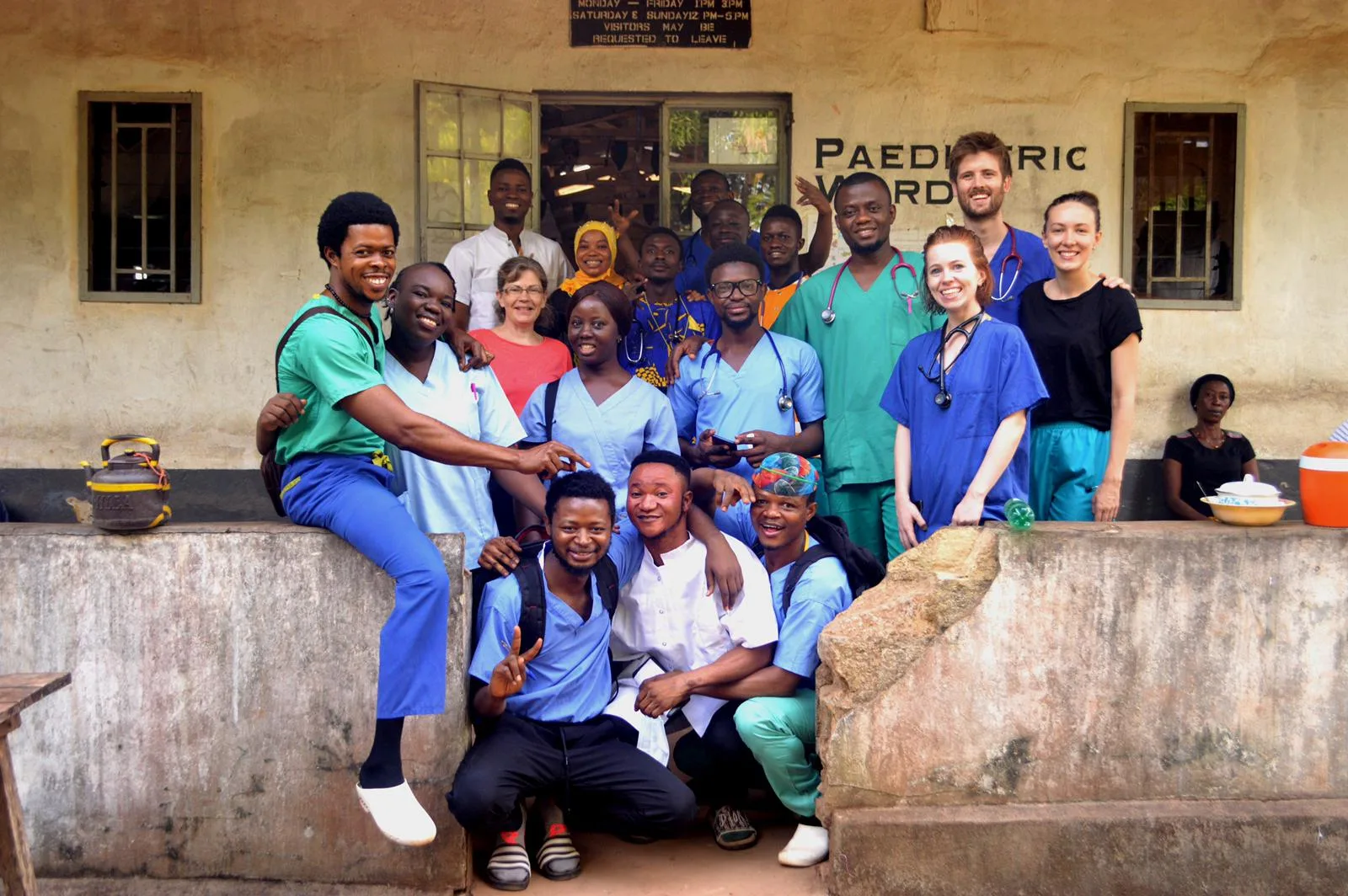
Masanga UK case study image

Challenge

Delivering medical training to remote staff in Sierra Leone with limited connectivity

The following problems were experienced by Masanga Hospital:

  • Medical training could only occur when qualified doctors travelled to Sierra Leone
  • Training was only given in person
  • Any reference material was given out as a file on a USB stick or as paper hand-out, making it difficult to reference materials when assessing a patient or refreshing on particular topics
  • There was no ongoing, formal assessment of comprehension and retention of training materials, to understand the value and benefit of training over time
  • There was poor network connectivity in Sierra Leone and limited access to Android tablets or computers
  • The Masanga UK team didn’t have any technical or design resources to produce digital training

Solution

Building a mobile and web app for training, reference materials, and practical assessments

A mobile and web app solution was created to deliver training materials, including:

  • Registration to identify app users and track their progress
  • Broad topics, with a number of sections under each
  • Each section contains reference material through factsheets and guidelines
  • Each section has multi-step case scenarios to help simulate practical application and ascertain the level of understanding before and after reviewing the reference material
  • Notifications when new or updated material is available
  • Gamification, such as badges and awards, to encourage interaction and repeated usage
  • Micro learning, audio and visual, to ensure materials are easy to comprehend and remember
  • A personalised feel to the app that encourages motivation and ownership of learning

Dr Patel received training and guidance from Fliplet on how to structure the app and get the most from Fliplet’s app creation platform.

Results

Improving care quality, productivity, and access to up-to-date learning materials

The organization achieved these benefits by offering a solution on mobile:

  • Reliable offline access, as 3G is the only connectivity available
  • Reduced costs by using existing devices, reducing printing and IT costs versus alternative methods of delivering the information to users
  • Increased the skill level of the remote users and therefore the level of care given to patients
  • Increased productivity with immediate access to content, enabling users to rapidly diagnose patients and find relevant content in a single app

Additional benefits the organization received by using a digital solution to support face-to-face training include:

  • Utilizing newer mobile devices and capabilities
  • Giving app users information in an interactive and educational format
  • Reducing the risk of incorrect or outdated content being accessed by having a centrally maintained and automatically updating app
  • Giving app users the confidence to do their jobs effectively and contribute to a better level of care for patients
  • Data visibility and feedback to improve training
  • Understanding levels of knowledge before and after consumption of reference materials
  • Offering a solution to all of Sierra Leone’s healthcare industry

Background

Masanga UK is an NGO that provides support, training and medical assistance to the Masanga Hospital in the Tonkolili district of Sierra Leone.

Fliplet worked closely with Dr Aatish Patel, a UK doctor who works in the NHS and with Masanga.