If you searched for a simple or free way to make an app, you probably do not want a lecture on enterprise software. You want to know what you can do today, how far free tools can take you, and where the hidden work starts. The useful answer sits in the middle: the first version can be quick, but the choices you make early decide whether the app stays a throwaway prototype or becomes something a team can actually use.
Planning the idea, drafting screens with AI, trying a starter pattern, and testing a prototype can often happen with free resources or trial access. A production business app is different because real employees, clients, members, or customers bring real expectations: secure data, permissions, publishing, support, analytics, integrations, and ownership. This guide is for business users and teams who want a practical starting point without painting themselves into a corner before launch.
Key takeaways
- Free is most useful at the discovery stage. Use it to clarify the app job, test the main workflow, compare build paths, and reduce uncertainty before budget is committed.
- AI can speed up the first draft, but it still needs judgment. The better your brief, the better the generated screens, roles, data fields, and test cases will be.
- A simple app still needs structure. Users, permissions, data, support, analytics, and launch ownership should be considered before the prototype reaches real users.
- Starter patterns are helpful when they match the workflow. Do not choose a template only because it looks polished.
- Production readiness is a separate step. A working demo is not ready for launch until security, content, testing, distribution, and maintenance are covered.
What free really means
Free app builders, free trials, AI drafting tools, spreadsheets, design tools, and paper sketches are all useful because they help you answer early questions before you spend money or involve a larger team. They are much less useful once the app becomes operational. At that point, the question changes from "can we create a screen?" to "can we run this safely when people depend on it?"
| Stage | What free tools can help with | What usually needs budget or ownership |
|---|---|---|
| Idea | App goal, audience, workflow, rough feature list | Stakeholder alignment and priority decisions |
| Prototype | Draft screens, sample data, clickable flows, early feedback | Real integrations, user access, secure data, support |
| Pilot | Small-group testing, content review, device checks | Publishing, analytics, permissions, issue handling |
| Production | Launch checklist, adoption review, backlog planning | Users, storage, support, security review, maintenance |
That does not make free exploration a trap. It makes it a research phase. Use free tools to learn quickly, reduce uncertainty, and spot the real requirements before the app becomes a dependency.
Start with the job
The first planning step is one plain sentence: what job should the app do? Strong examples are specific enough to guide screens, roles, and workflows. Weak examples sound tidy in a meeting, but they force an AI app builder, product owner, or implementation partner to guess what the app is really for.
Strong examples sound like this:
- Help new employees complete onboarding tasks, find policies, and ask HR for help.
- Help field teams complete inspections, capture photos, and send reports from mobile devices.
- Help clients submit requests, upload documents, track status, and receive updates.
- Help event attendees find sessions, save agenda items, and receive schedule changes.
Weak examples sound like this:
- Build an app for our department.
- Make a better portal.
- Create something modern.
The difference is practical, not cosmetic. The stronger examples tell you who the app is for, what the user needs to do, and what the first workflow probably includes. If you are still choosing the app type, start with the Fliplet solutions pages to compare common business app patterns before writing your brief.
Write a simple brief
A good app brief does not need to be long. It needs to answer the questions that shape the first version and protect the team from building around taste, assumptions, or the loudest feature request. Even if you never show the brief to a vendor, it becomes the reference point for scope, testing, permissions, and launch decisions.
Use this structure:
| Brief item | What to write |
|---|---|
| App goal | The business problem the app should solve |
| Audience | Who will use it and how often |
| First workflow | The one task the first version must support |
| Data | What information the app needs and where it comes from |
| Roles | What different users should see or do |
| Launch path | Web, mobile, private distribution, app stores, or a mix |
| Owner | Who maintains content, users, support, and updates |
| Success metric | The signal that proves the app helped |
Use AI for the first draft
AI assistance works best when it has a real brief. Instead of asking it to "make an app," ask it to produce the pieces you need to review: screens, roles, data fields, permission rules, launch risks, and test scenarios. That changes the exercise from hoping for a polished mockup to creating a structured first draft the team can challenge.
A useful prompt might be:
Create a first plan for an internal training app for 600 employees. The app should show training modules, track completion, send reminders, collect feedback, and give managers adoption reports. Include user roles, core screens, data fields, permission rules, launch risks, and test scenarios.
That prompt gives AI enough context to suggest a structure. You can then review the output like a product owner: remove what is unnecessary, correct the assumptions, and decide which workflow matters first.
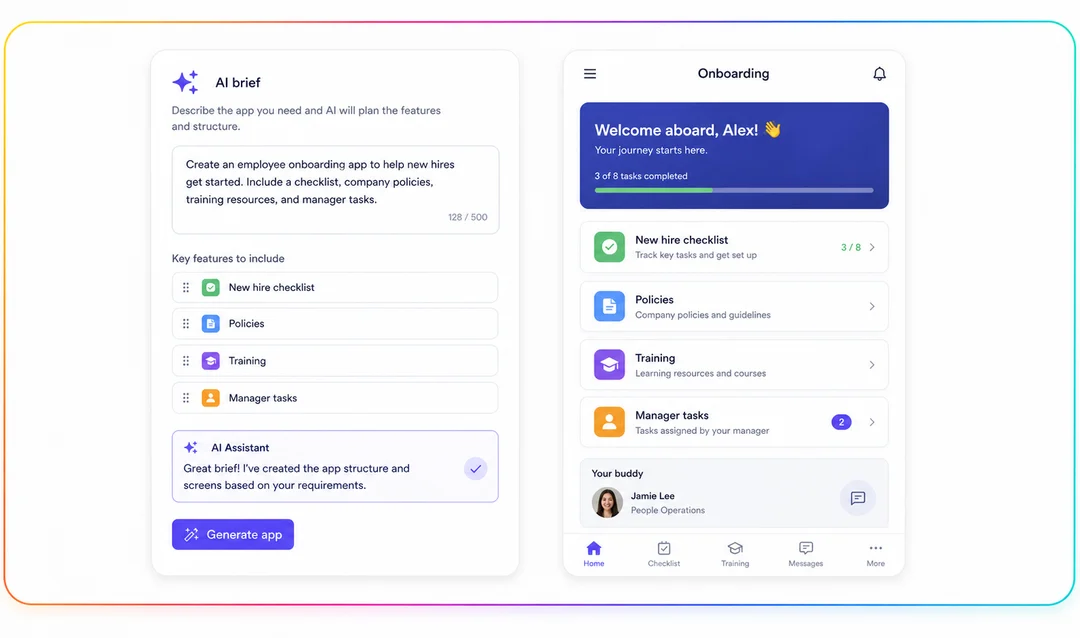
Fliplet's AI app builder path is designed for this prompt-to-production style of work: start with intent, generate a foundation, then refine it with the controls a real business app needs.
Choose a starting point
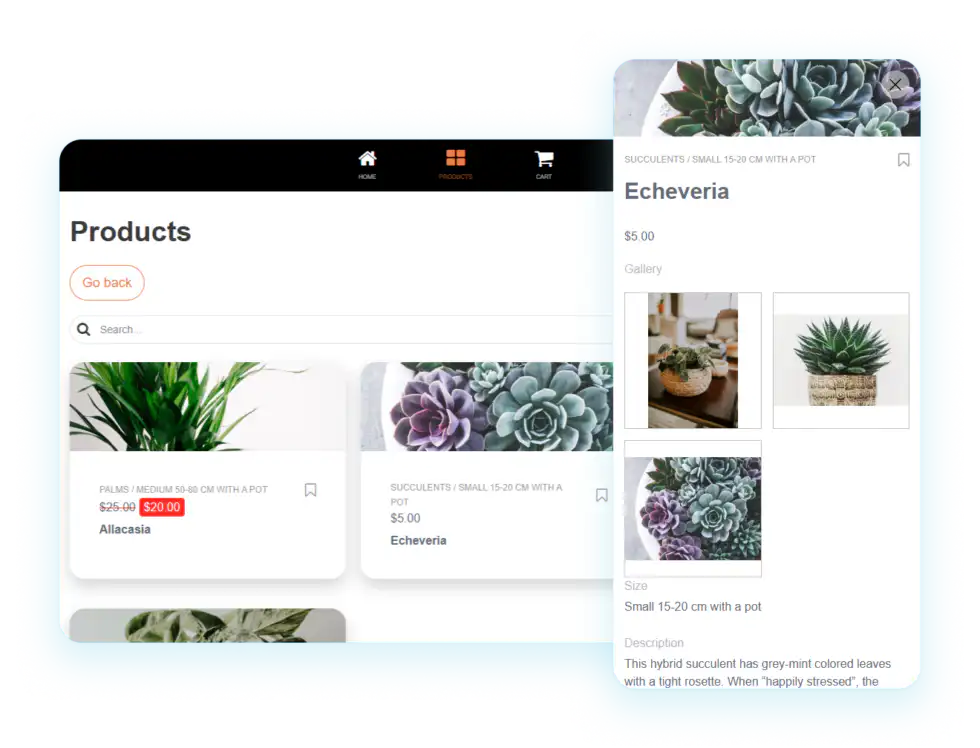
Starter patterns can save time when the app type is familiar. They are useful for employee apps, events, learning, directories, portals, approvals, reporting, surveys, field inspections, innovation programs, and similar workflows because they give the team something concrete to react to. The key question is not "does this look good?" It is "does this match the job?"
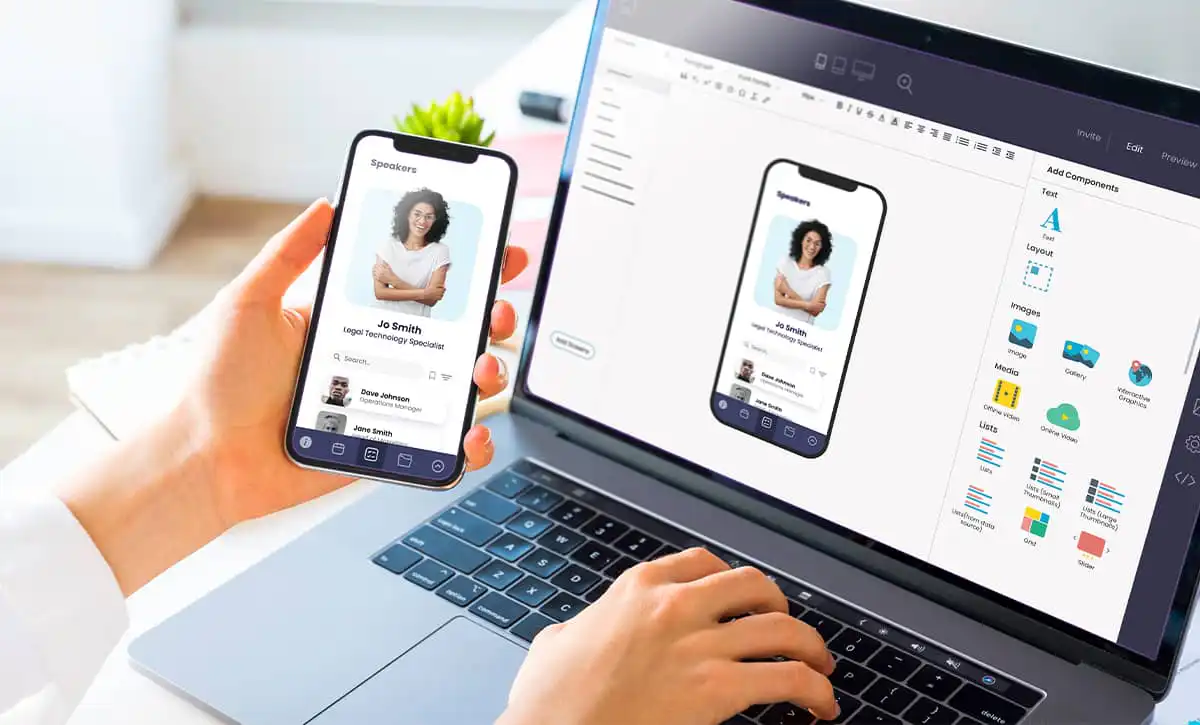
A starter pattern is helpful when the main workflow is already close to what you need, the team wants a realistic review surface, and the app can be adapted through content, branding, roles, data, and publishing settings. It becomes risky when it forces your process into the wrong shape. If your client portal needs strict document permissions, choosing a generic portal template may create rework; if your field inspection app needs offline access and evidence capture, a simple form template may not be enough. To understand the build options available in Fliplet, compare the features that matter for your app type before settling on a delivery path.
Design and brand the first version
Once the structure is clear, design becomes a trust exercise rather than decoration. Users need to recognize the brand, understand what to tap first, and feel confident that the app belongs to the organization asking them to use it. Keep the first design pass practical: clear navigation, readable labels, sensible spacing, accessible contrast, recognizable imagery, and a small set of branded choices that can be maintained after launch.
Plan users and permissions
Most app projects jump too quickly into screens. Before layout, map the people using the app and what each group should be able to see or change. An employee may only need tasks, content, notifications, and support; a manager may need team progress and approvals; an admin may need content tools and user management; IT may need access rules, data handling, and audit evidence.
This is where a simple app becomes a serious app. If everyone sees the same thing, the prototype may look easier, but the production version can create risk as soon as real data enters the system. Role-based access should be part of the plan before launch, especially for apps that handle employee, client, legal, financial, healthcare, or confidential information. Review security early so policy and controls are built into the app instead of bolted on after users depend on it.
Define the data
Every useful app depends on data, and the planning question is whether that data is simple enough for a prototype or important enough to need a more controlled model. For a quick prototype, sample data or a spreadsheet may be enough. For production, ask where the data lives, who owns it, whether the app reads or writes it, how often it changes, which fields are sensitive, and what happens when something is wrong. A beautiful prototype can fail quickly if it cannot connect to the system of record, protect private fields, or give the right people ownership after launch.
Build the first version
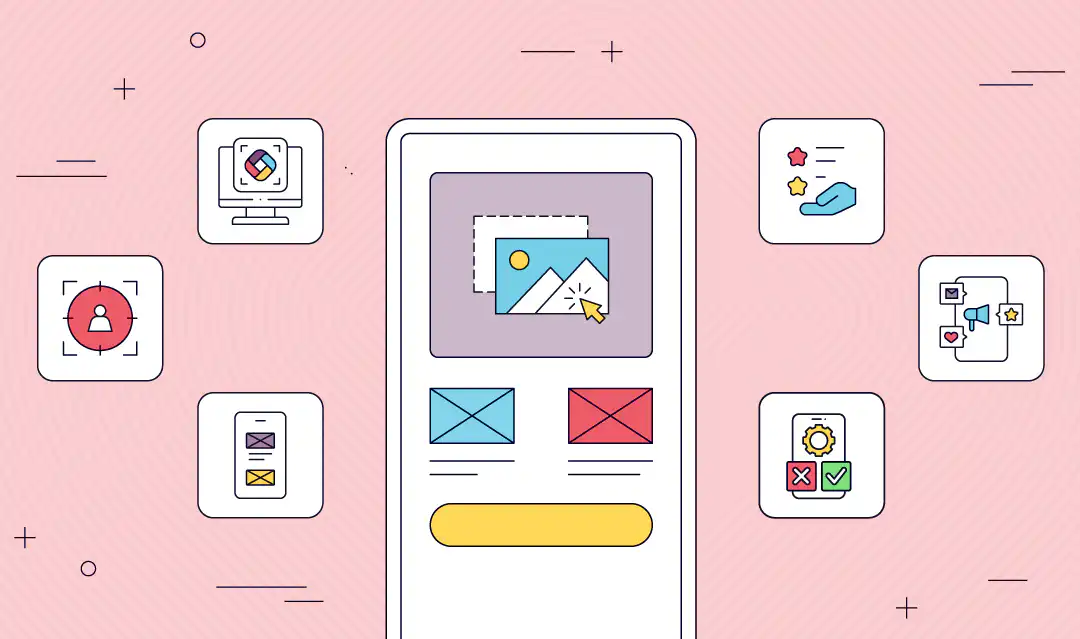
The first version should prove the workflow, not absorb every idea from the backlog. A useful first release usually includes a clear home screen, the main task flow, the content or data required for that flow, role-based access, notifications only where they matter, analytics for adoption, and a simple support path. Keep a separate backlog for later ideas so the launch date and testing plan stay realistic. The goal is not to build the smallest possible app; it is to build the smallest version that proves the job can be done safely.
Choose useful features
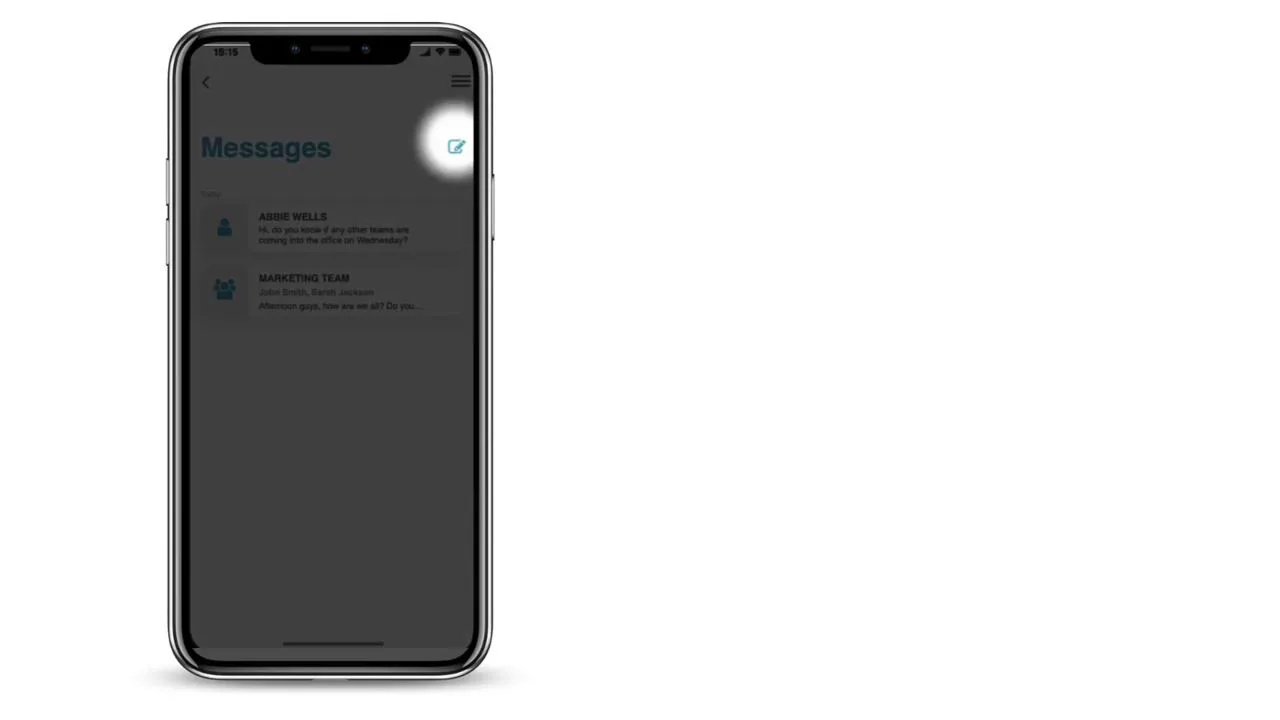
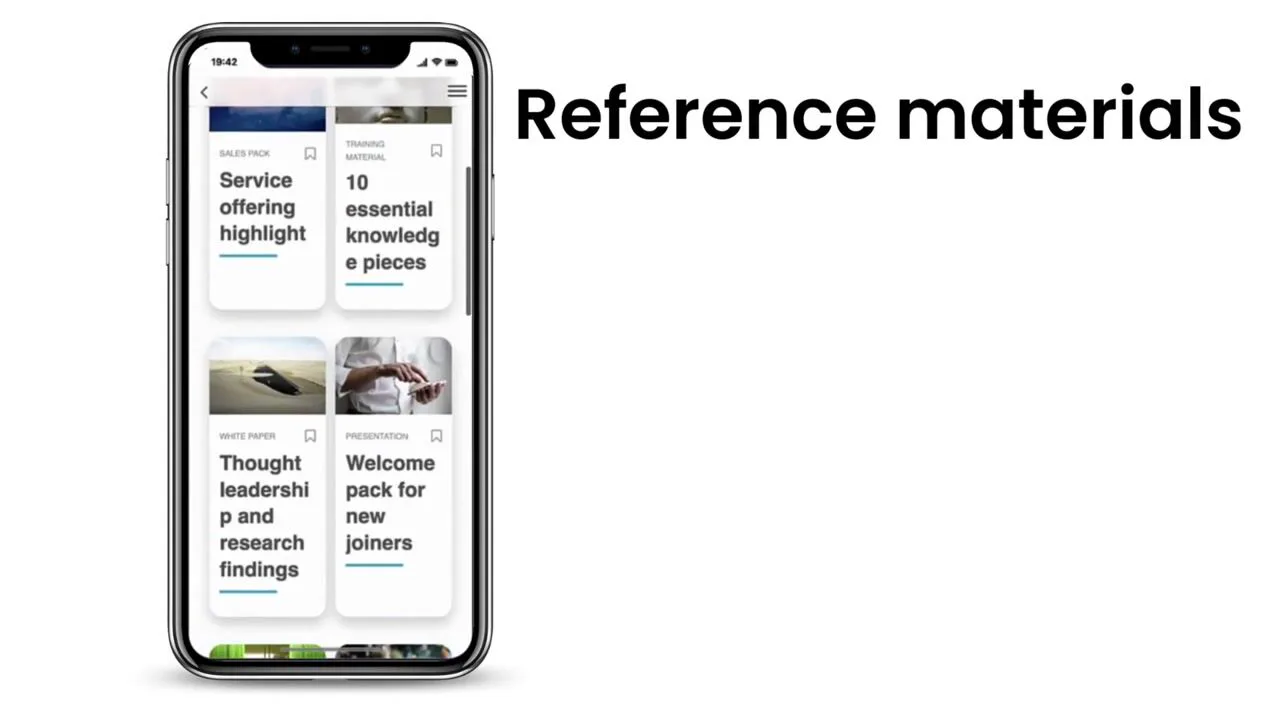
Feature decisions should come from the job the app needs to do. For many business apps, the first release needs a small set of dependable capabilities: announcements, secure communication, searchable content, feedback, and ways to keep users involved after launch. The examples below are worth considering, but only if they support the workflow you are trying to prove.
Must-have features
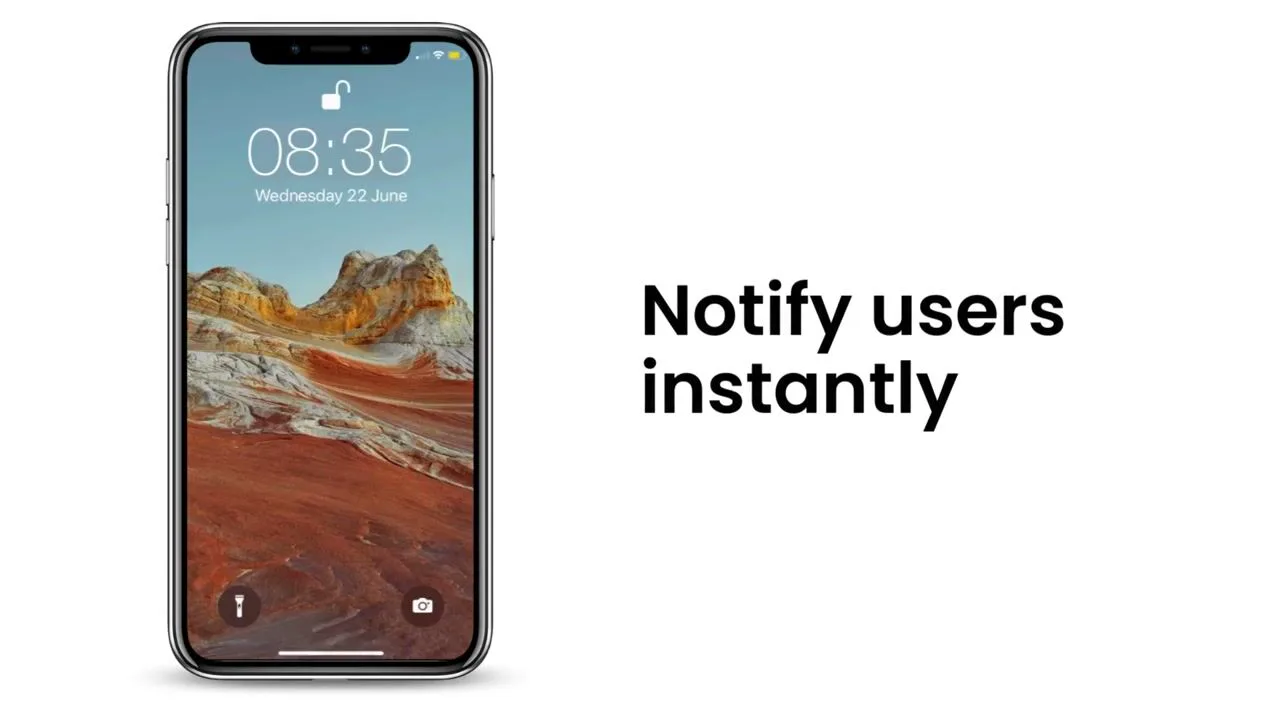
Drive engagement and make sure no one misses important announcements by sending push notifications to everyone's devices.
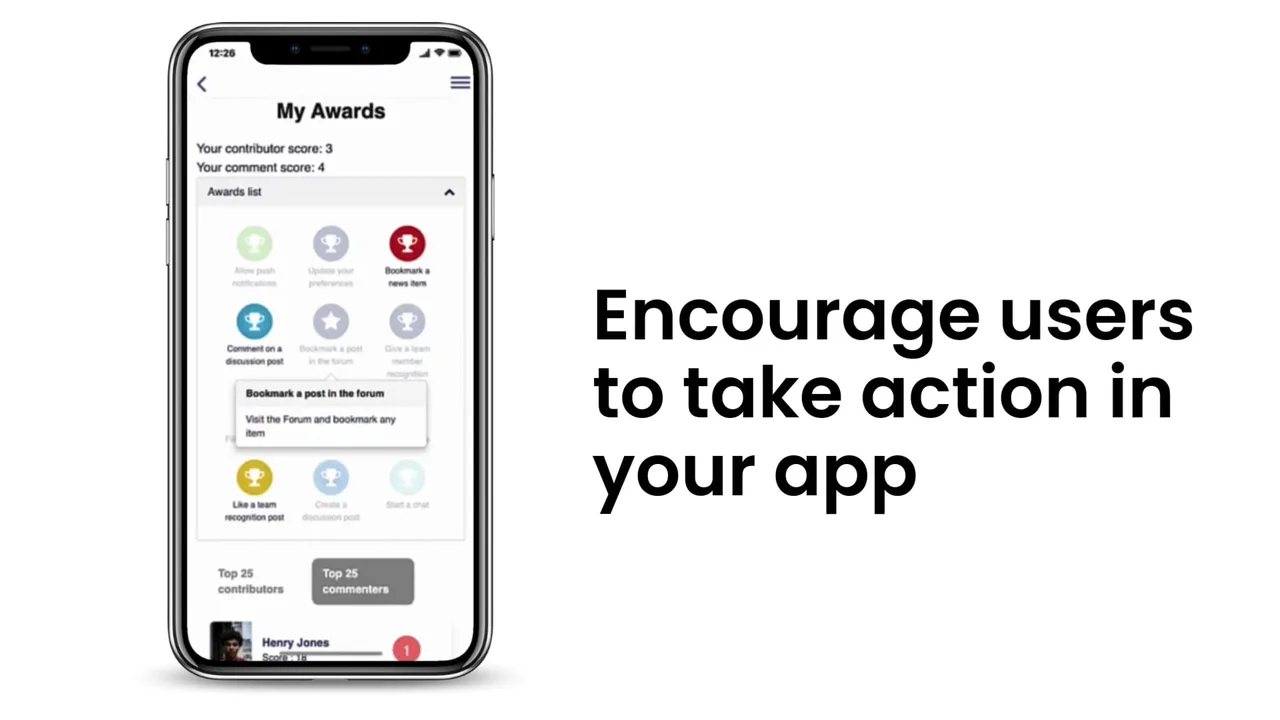
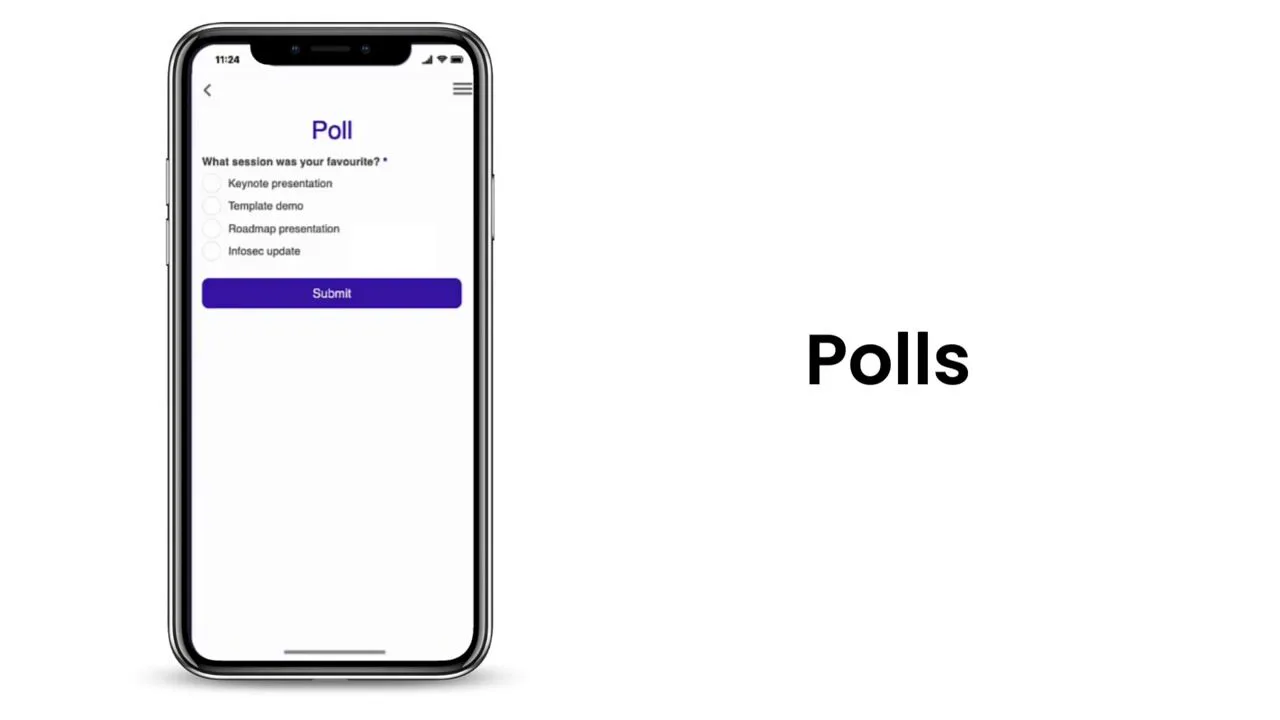
Engagement features
Improve engagement and interaction through awarding user points and badges. Continually improve user experience via analytics.
Test like users will use it
Do not test only in a builder preview. Test where people will actually use the app, across mobile, tablet, and desktop layouts, and try the conditions users are likely to face: slow connections, login friction, role restrictions, long forms, document links, media, search, filters, notifications, and analytics events. Ask real users to complete the main task, then watch where they hesitate.
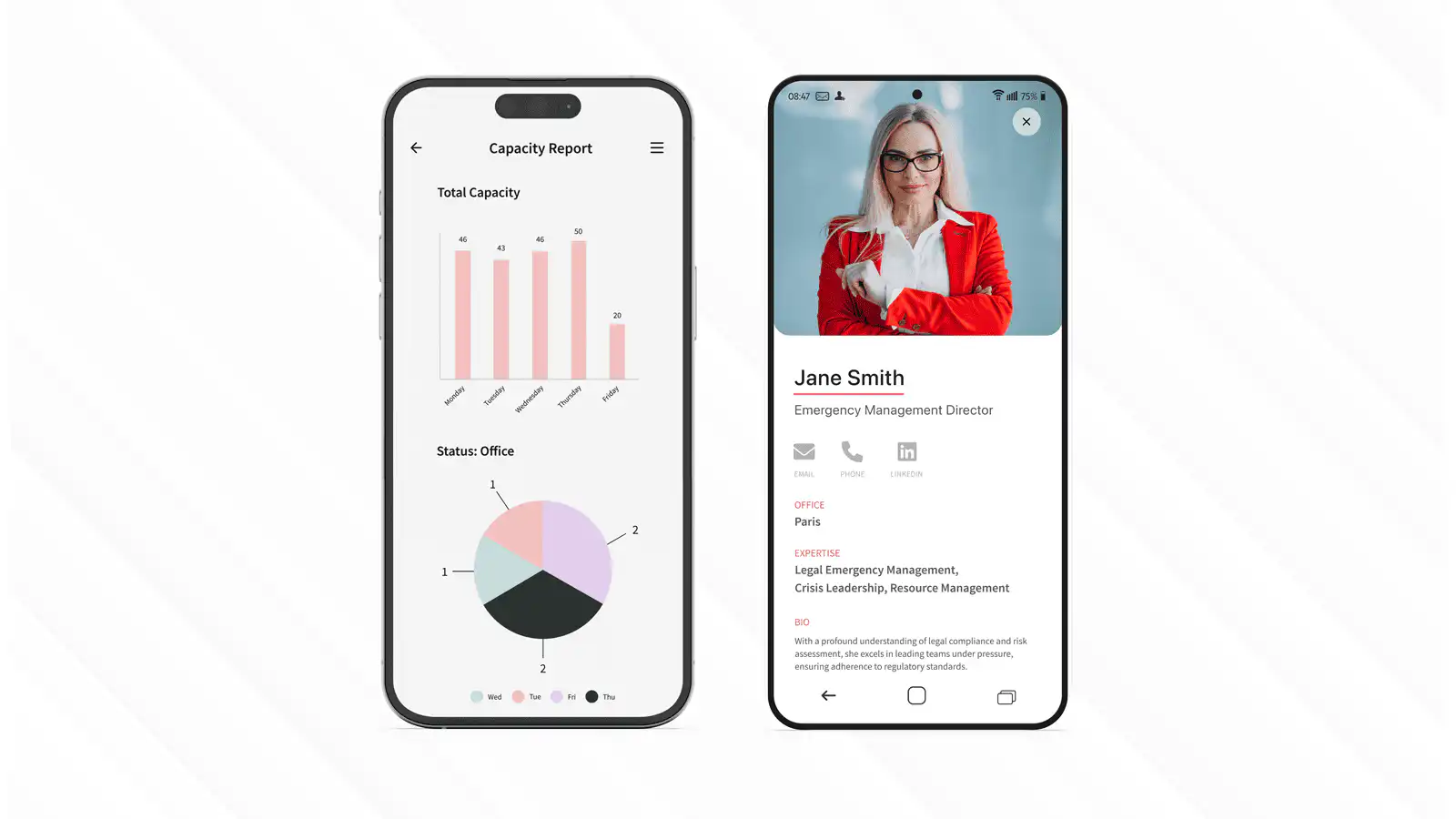
Good testing often reveals copy problems before technical problems. A button label may be unclear, a form field may ask for data the user does not have, or a manager view may show too much. These are exactly the kinds of issues a prototype should uncover before the app is treated as production-ready.
Choose the launch path
Publishing depends on the audience, the device context, and how controlled the experience needs to be. A browser route might be enough for a lightweight internal tool, while a mobile-heavy employee or client app may need iOS, Android, private distribution, or a mix of access paths. Decide this before launch because distribution affects screenshots, metadata, authentication, support, testing, and review timelines.
| Distribution path | Use it when | Planning notes |
|---|---|---|
| Web app | Users need browser access across devices | Plan URLs, authentication, SEO where public, and browser testing |
| iOS app | iPhone or iPad users need a native-style app route | Prepare App Store metadata, screenshots, privacy details, and review time |
| Android app | Android users need Play Store or managed distribution | Prepare Google Play listing assets, device testing, and policy review |
| Private app | Access should be limited to employees, clients, or members | Plan authentication, user provisioning, support, and update ownership |
Publishing is easier when the route is chosen before the app is considered finished. Store listings, managed distribution, and web access each affect screenshots, review timelines, support instructions, and the way users receive updates.
Watch video: Publish on any device
For public listings, your launch plan should include App Store Optimization because clear descriptions, accurate screenshots, reviews, and release notes influence whether users trust the app. For more on visibility after launch, read the SEO for mobile apps guide and the mobile app promotion strategies article.
What if the app is a game?
If the idea is a game, use a game-focused builder or framework instead of forcing a business app platform into the wrong job. GDevelop is a free, open-source option for 2D and 3D game development, with tutorials for publishing to Android, iOS, desktop, and web. That is a different decision path from building an employee app, client portal, event app, or field workflow, where permissions, data, governance, and support usually matter more than game mechanics.
Watch video: Beginner's Guide to GDevelop
Budget beyond the prototype
Free exploration can reduce risk, but it cannot remove every cost from a production app. Before launch, compare user seats, app limits, data storage, publishing model, integrations, security requirements, custom branding, analytics, support, maintenance effort, and future app volume. The pricing page can help you frame the commercial model before a prototype turns into an operating dependency.
Launch with ownership
A launch checklist is not busywork. It is what prevents a promising app from becoming an unsupported side project after the first burst of enthusiasm fades. Before a wider rollout, confirm the app owner, support owner, content owner, permission model, data source, security review, analytics setup, pilot group, feedback channel, launch message, and update cadence. For client-facing, legal, HR, event, or commercial workflows, add stakeholder sign-off before the app reaches a larger audience.
Improve after launch
Apps need care after they go live, so review adoption data, support requests, user feedback, and workflow completion instead of treating launch as the end of the project. Helpful post-launch metrics include active users, first-task completion, search terms used inside the app, content views, form completion rate, notification engagement, support requests, feedback themes, and retention over time. This is where a platform approach helps: if the first app works, you can reuse the same governance model, design patterns, and delivery lessons for the next app.
Where Fliplet fits
Fliplet helps teams move from app idea to production-ready business app while keeping governance, security, integrations, and rollout needs visible. Start with solutions if you are still shaping the app type, use AI app builders to understand prompt-assisted creation, and review features and security when the app needs to support real users, real data, and controlled access. Check case studies when you need proof from teams that have launched apps already.
When you are ready to discuss a specific app, book a demo with the app goal, target users, data sources, and launch timeline. The more specific the brief, the more useful the conversation will be.
Final checklist
Before you choose a platform or start building, make sure you can answer these questions:
- What job should the app do?
- Who will use it?
- What is the first workflow?
- What data does it need?
- Which roles and permissions matter?
- Which distribution path fits the audience?
- What must be tested before launch?
- Who owns support?
- How will success be measured?
A simple app plan can be created quickly. A useful business app needs the next layer: governance, testing, launch readiness, and a clear path to improvement.
Lisa Broom is the Head of Marketing at Fliplet, where she helps enterprise teams turn complex workflows into secure, user-friendly digital experiences.
Ready to see Fliplet live?
Build the software you actually need.
Book a demo to walk through your workflow goals, governance requirements, integration needs, and rollout model.