The healthcare industry is no stranger to mobile apps, with apps improving efficiency by 40% and increasing market speed by 36% , mostly available in the public app stores for consumer use. However, pharma companies are reporting poor download and app engagement statistics, which is leading some to ask the question: are apps worth the effort?
Our opinion? A big "heck yes, they are". And don't just take our word for it. In our recent research about apps in healthcare the is lots of data on pharma companies increasing their app game and getting great ROI from it.
As an incredibly innovative and fast-moving industry, it is important that pharma companies can keep up with that volume of change and innovation and to remain among the top companies in the world. And this is exactly where apps can help.
Imagine for example a sales app that could help pharmaceutical reps improve their product knowledge and save them time in client meetings. If they can save 20 minutes a day by having product knowledge available on their mobile device rather than having to look it up before the meeting, that will quickly add up to big numbers, giving that rep an additional 400 minutes a month (or 10 work days a year) to work on other tasks such as more client meetings, in turn leading to more sales.
In this article we explore some of our ideas on how pharmaceutical apps can capitalise on these "micro moments" to help streamline workflows and ultimately help increase employee knowledge and productivity, whether in manufacturing or sales.
For adjacent healthcare planning, see our healthcare app development guide and how Providence Anesthesiology Associates used Fliplet for a clinician-facing app.
For broader healthcare market context, see our research on how top healthcare organizations use apps.
Without further ado, here are our top four ideas for great pharmaceutical apps:
Overview of the 10 Best Pharmaceutical App Types
Important: Each of the following ten app types can be tailored and constructed for your organization using Fliplet, which you can try for free here. The following sections aim to articulate the necessity of these apps, supplemented by real-life examples from the pharmaceutical or broader healthcare industry. This exercise will underscore the potential of these apps to significantly enhance your operations, client engagement, and overall performance in the healthcare landscap and can act as a great proof for you and your management team that you should take the next step to your digitalization.
1. Sales App for Pharmaceutical Products
1. Sales App for Pharmaceutical Products
Description
If you're a pharma sales rep you'll already know how important it is for you to have as much knowledge as possible on the drugs you're aiming to sell.
An app can help by allowing you to easily consult all relevant sales and drug information, plus clinical studies, safety information and competitor product information. This can help you improve your understanding of the drug, sell it better and answer any questions from doctors more accurately.
Having access to all this info on your mobile device gives you better mobility while travelling between meetings, so that you can consult information on the go and better prepare. And who knows? It may just be the special edge you need to stand out from competitors.
Benefits
On-the-go access to important data enables sales reps to prepare for their meetings, answer queries accurately, and drive sales.
Features
Such apps include comprehensive databases of product information, competitor insights, customer management tools, and interactive learning modules.
Example app
Learn more about this app type.
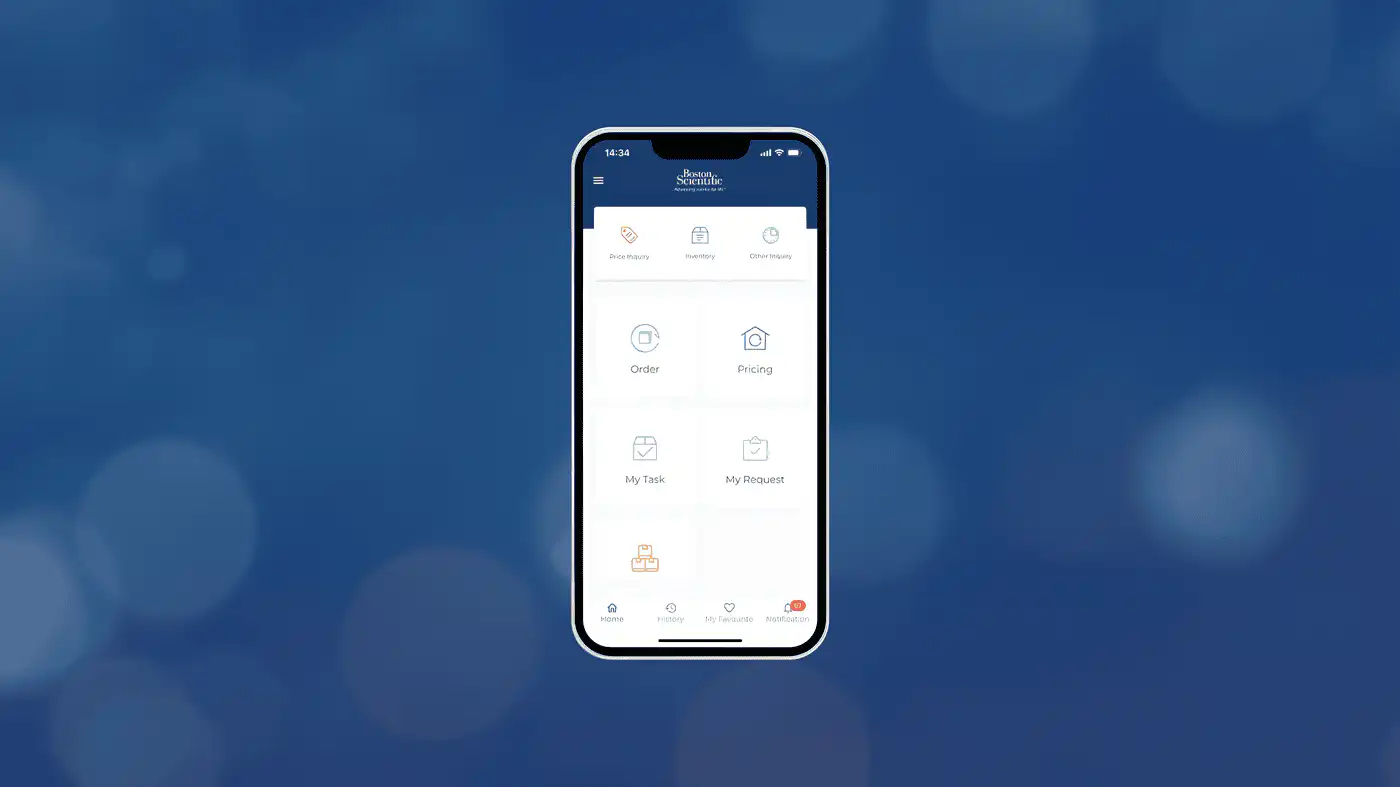
BSC My Orders is a mobile/web ordering solution to optimize and automate operational processes in customer care, giving sales reps, customer service teams, and customers a convenient and efficient way to place, manage, and track orders, inventory, cycle counts, and approval requests.
Privacy requirements
These apps handle sensitive information and should comply with healthcare regulations like HIPAA for ensuring data confidentiality and security.
2. Medical Reference App
2. Medical Reference App
Description
Having to consult reference books for medical information can be a real pain, especially if you're in the middle of a meeting far away from medical resources.
Even worse, paper-based manuals can change daily as new studies are published, which means that these need to be regularly updated.
A medical reference app lets you consult medical reference material in digital format no matter where you are using your smartphone or tablet. All reference manuals can be instantly updated as new and amended information becomes available.
That saved time can be invested elsewhere, helping you stand out from competitors and stay at the top of the industry.
Benefits
These apps free professionals from constraints of time and location, allowing them to consult resources at their convenience.
Features
A comprehensive collection of reference material, real-time updates, search function, and annotation capabilities are standard features.
Example app
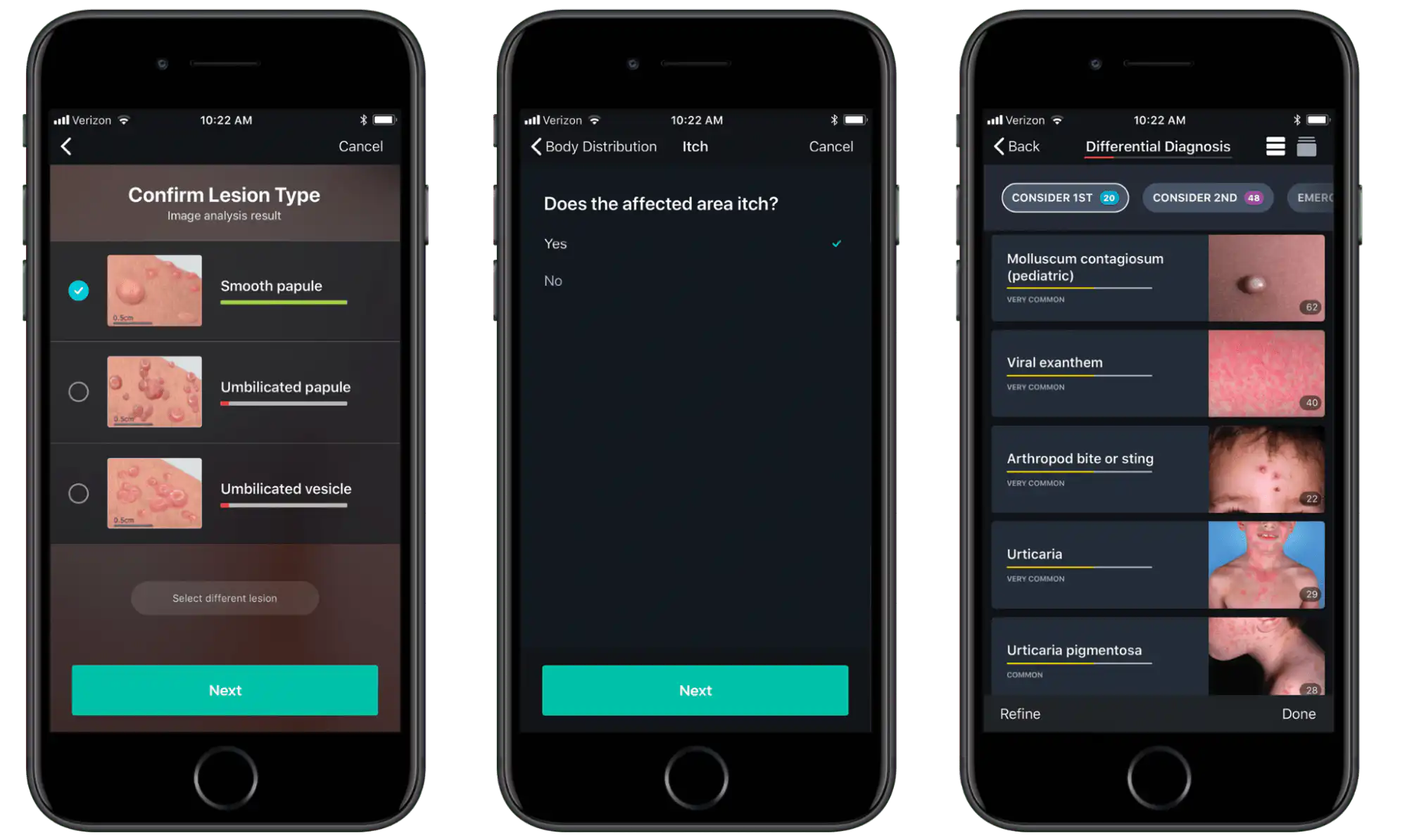
VisualDx is a visually focused medical reference app, encompassing thousands of images depicting a wide spectrum of diseases and conditions.
This intuitive application enables healthcare providers to draw parallels between their patients' symptoms and a range of diseases. The robust search feature of VisualDx allows physicians to key in a patient's symptoms, surface potential diagnoses, and compare them with corresponding reference images.
While the use of VisualDx necessitates a subscription, it caters to both Android and iOS users and offers multilingual support.
Privacy requirements
Given the nature of data handled, these apps should adhere to relevant data privacy laws and security standards.
3. Training App for doctors and employees
3. Training App for doctors and employees
Description
Let's face it: no one likes having to spend their valuable time training new employees, especially in such a fast-paced industry as pharma. But training is a key part of working in such a heavily regulated and constantly changing industry.
Apps offer a way to ensure employees' knowledge is up to speed without compromising on additional budgets or other employees' precious time. Apps can provide new employees with a wide range of training materials, making learning interactive and fun.
Videos, interactive charts, and embedded documents are great examples of this and can empower employees to take ownership of their learning.
Training apps can also include gamification elements such as exams and quizzes that take employees through different topics and scenarios. These allow them to test themselves and track their progress. Don't wait, learn how to make your own learning app without any coding.
All this is the perfect recipe for fun, engaging, and effective learning that allows employees to retain knowledge more easily.
Benefits
These apps make learning engaging, leading to better knowledge retention and improved employee productivity.
Features
They typically include videos, interactive charts, embedded documents, quizzes, and progress tracking.
Example app
81% of all pharmaceutical companies train or plan to train with pharmaceutical apps.
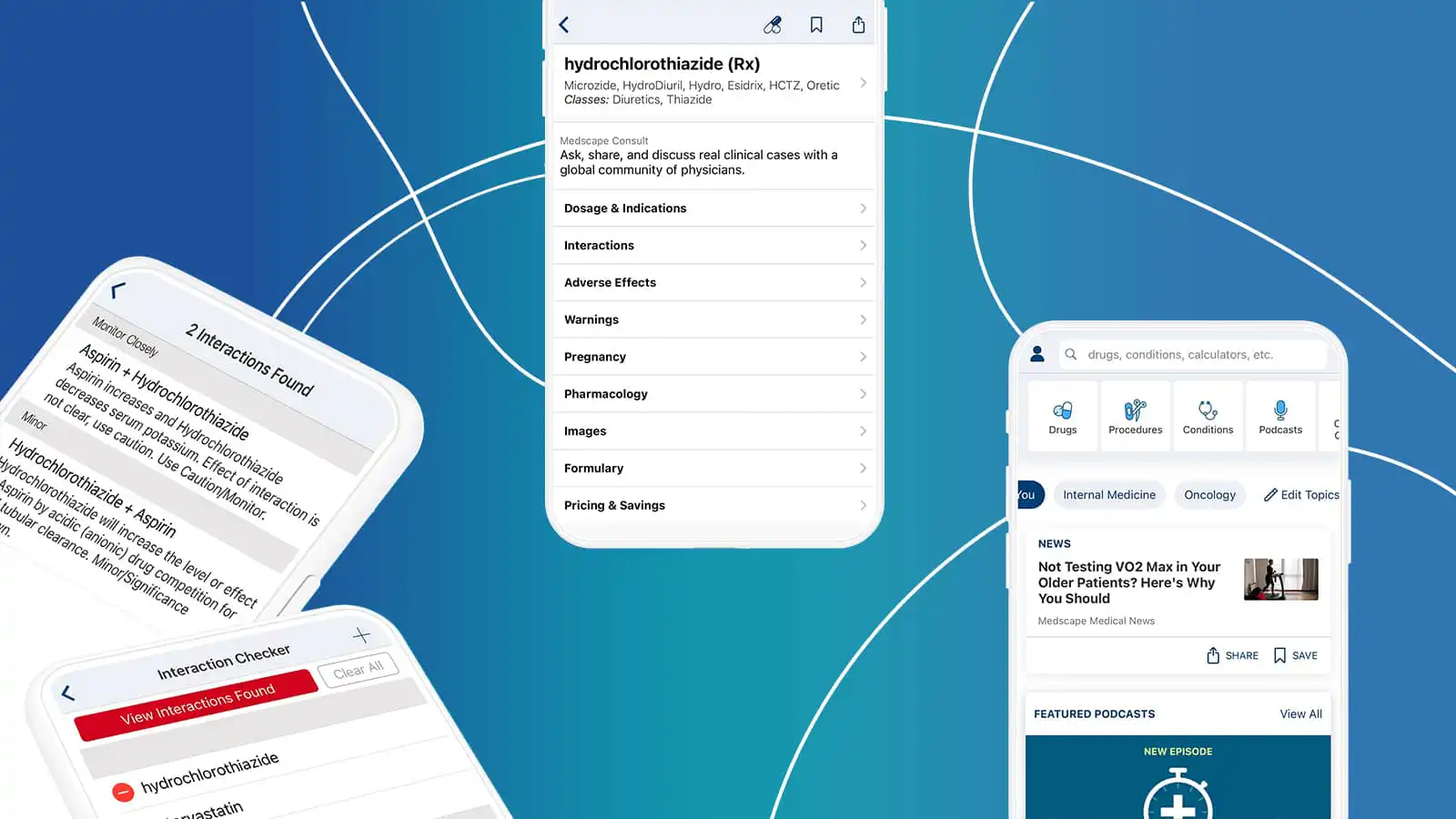
Medscape is a comprehensive resource for healthcare professionals, offering educational videos, a database of over 4,000 medical conditions, directives for more than 1,000 medical procedures, and updates on the latest medical news sorted by specialty. It also features drug and disease information, clinical tools like drug interaction checkers, and over 600 dosing calculators.
Privacy requirements
These apps handle sensitive employee data and proprietary training content, necessitating stringent data privacy and security measures.
4. Drug Interaction Checker App
4. Drug Interaction Checker App
Description
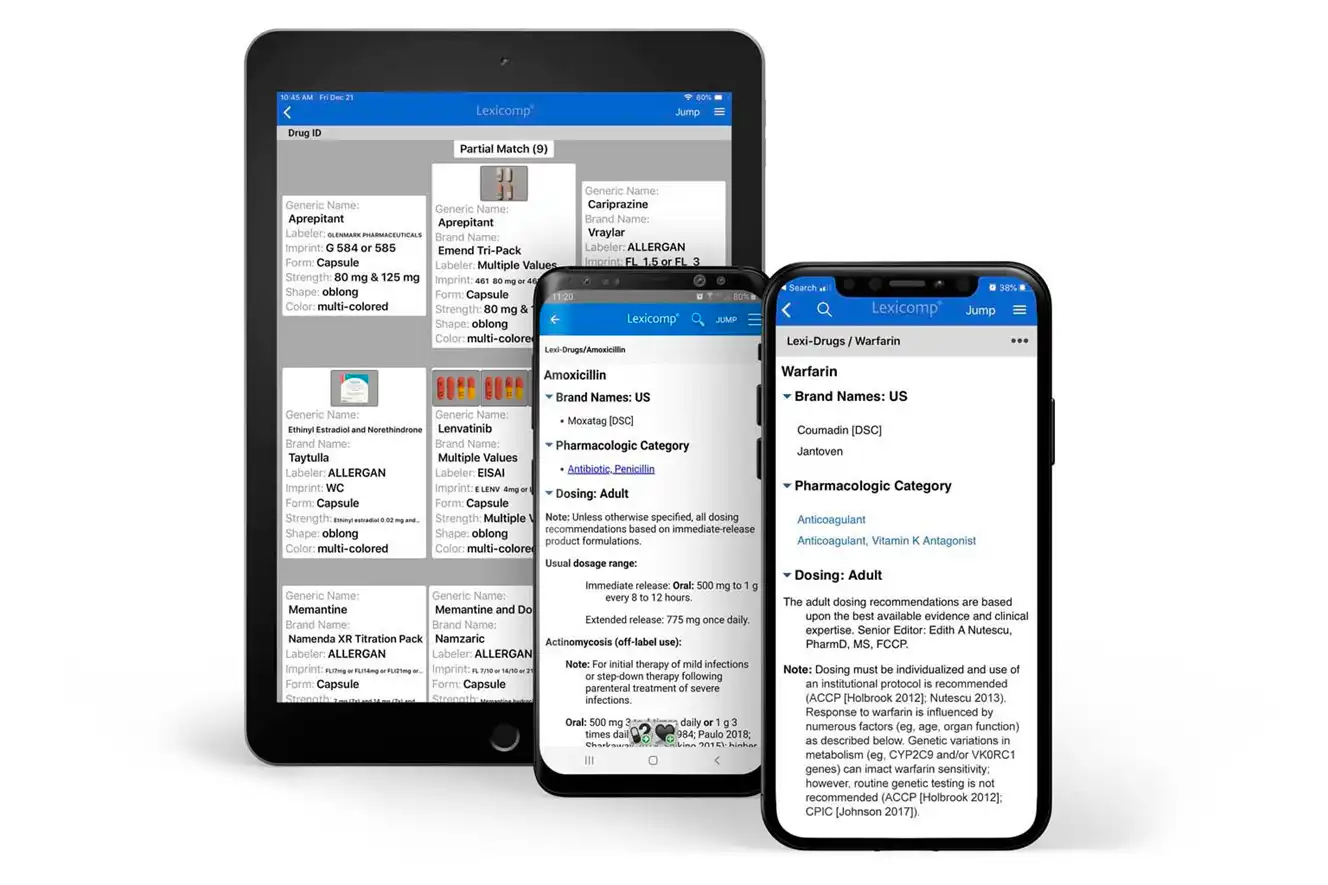
As a healthcare professional, you're often consulted about combining different medications. A drug interaction checker app can be an indispensable directory app that allows you to quickly identify potential drug interactions and make informed decisions on the move.
Benefits
They improve patient safety by providing critical drug interaction information in real time.
Features
Drug database, real-time alerts, patient management, and customizable reports are standard features.
Example app
Lexicomp provides accessibility to over 20 distinct medical databases. The breadth of drug information available ranges from a detailed pharmacogenomics database and IV compatibility to current updates on drug shortages, as well as patient-friendly educational content.
An added advantage of Lexicomp is its offline accessibility, where all its data is stored directly on your device, ensuring uninterrupted usage even in the absence of an internet connection.
Privacy requirements
They deal with patient-related data and should adhere to strict privacy policies and healthcare regulations.
5. Clinical Trial App
5. Clinical Trial App
Description
If you are a researcher or a clinical trial coordinator, you understand the complexities and challenges of managing clinical trials. A clinical trial app can act as a digital assistant to manage patient recruitment, data collection, and trial monitoring. Having all this information at your fingertips can save you time, reduce errors, and streamline the trial process.
Benefits
They enhance data collection, patient recruitment, and trial monitoring, improving the efficiency of clinical trials.
Features
Such apps include patient management tools, data collection modules, real-time updates, and data analysis capabilities.
Example app
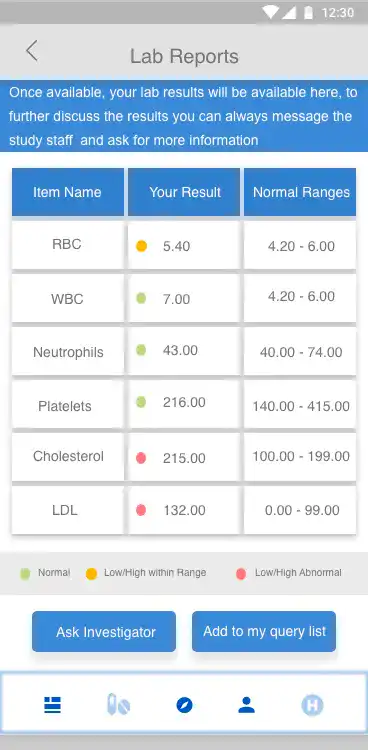
The IPX mobile app was crafted to alleviate the challenges encountered by patients participating in clinical trials.
Patients in clinical trials often need frequent hospital visits for lab tests, investigational drugs, and reporting side effects. The IPX concept aims to reduce unnecessary hospital visits by replacing traditional on-site, paper-based documentation with a better digital connection between patients and investigators.
Privacy requirements
These apps handle sensitive patient data and research information, requiring robust privacy measures and compliance with research ethics and regulations.
6. Patient Communication App
6. Patient Communication App
Description
As a healthcare provider, establishing effective communication with your patients is paramount. A patient communication app can serve as a digital bridge between you and your patients, enabling easy scheduling of appointments, reminders, and consultations.
With the app, you can stay connected with your patients and provide real-time updates and advice. It could revolutionize the way you engage with your patients and enhance the overall patient experience. Review the best communication apps.
Benefits
They improve patient engagement, satisfaction, and treatment adherence.
Features
Appointment scheduling, reminders, secure messaging, video consultations, and patient health records access are typical features.
Example app
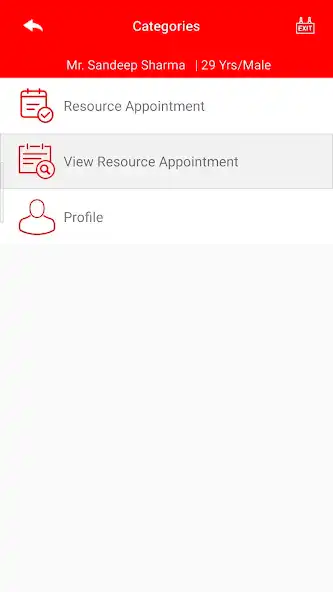
Prachi Hospital, a NABH-accredited multi-specialty hospital in Prayagraj, created an app that provides direct access to essential features like Book Appointment, View Appointment, Radiology Reports, Prescription, Find Doctors, Feedback, and Contact Us.
The app grew in popularity among patients and reached more than 1k downloads.
Privacy requirements
They must adhere to strict privacy and data protection regulations due to the sensitive patient data they handle.
7. Dosage Calculator App
7. Dosage Calculator App
Description
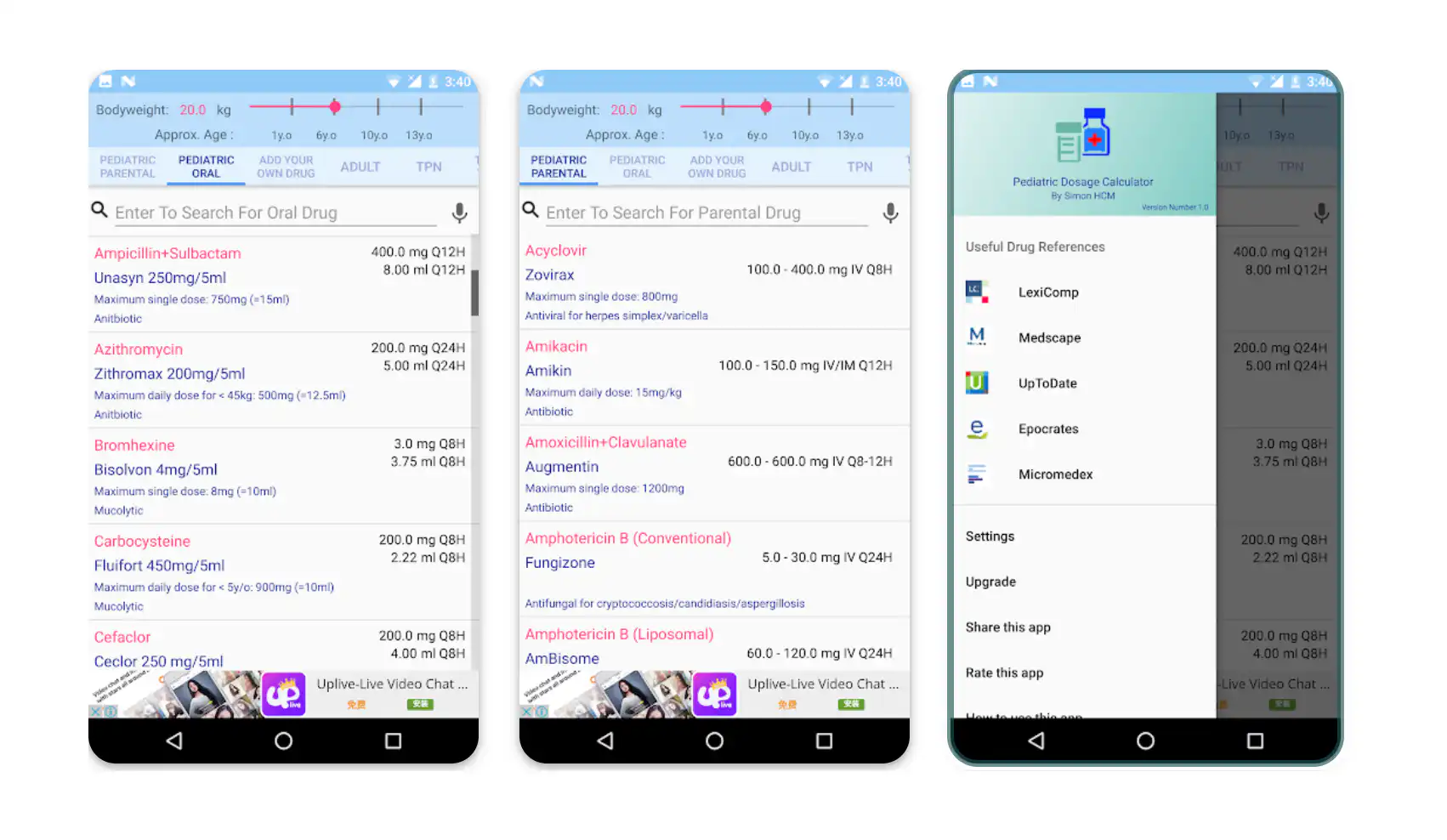
For healthcare professionals prescribing or administering medication, calculating the correct dosage based on a patient's parameters can be a tricky task. A dosage calculator app can serve as a valuable companion, taking the guesswork out of dosage calculations and helping prevent dosage errors.
Benefits
They ensure safe and effective medication administration, reducing the risk of dosage errors.
Features
These apps include various dosage calculation methods, patient management, and dosage tracking.
Example app
By inputting a child's body weight, this type of app can generate dosage recommendations for commonly used IV and oral medications, saving crucial time and supporting accurate prescriptions. The medicines included largely cover emergency situations, gastrointestinal conditions, upper respiratory tract infections, and a range of antibiotics.
Privacy requirements
They handle sensitive patient-related information and must comply with strict data privacy and security regulations.
8. Pharmacy Management App
8. Pharmacy Management App
Description
If you're a pharmacist or involved in the management of a pharmacy, you understand the complexity of juggling inventory management, sales tracking, and customer service. A pharmacy management app can streamline these operations directly from your mobile device and improve efficiency and customer satisfaction.
Benefits
They improve operational efficiency, enhance customer satisfaction, and enable effective inventory management.
Features
Inventory management, sales tracking, report generation, and customer management are common features.
Example app
Shaunak's Pharmacy is a family-owned group of 12 branches based in the South-West. Their biggest problem was expiring products, so they created an app to help monitor this and the results were outstanding.
Shaunak saved about £50/60K worth of items that would otherwise have expired, generating about five times the cost of the subscription in ROI.
Privacy requirements
These apps deal with business-sensitive information and should adhere to business confidentiality standards and data protection regulations.
9. Electronic Health Record (EHR) App
9. Electronic Health Record (EHR) App
Description
As a healthcare professional, accessing and managing patient health records is a routine but crucial part of your job. An electronic health record app can serve as a digital repository of patient records, accessible from your mobile device at any time, improving healthcare delivery and patient outcomes.
Benefits
They streamline patient management, improve healthcare delivery, and enhance patient safety.
Features
Such apps include patient health records, treatment history, lab results, medication lists, and note-taking features.
Example app
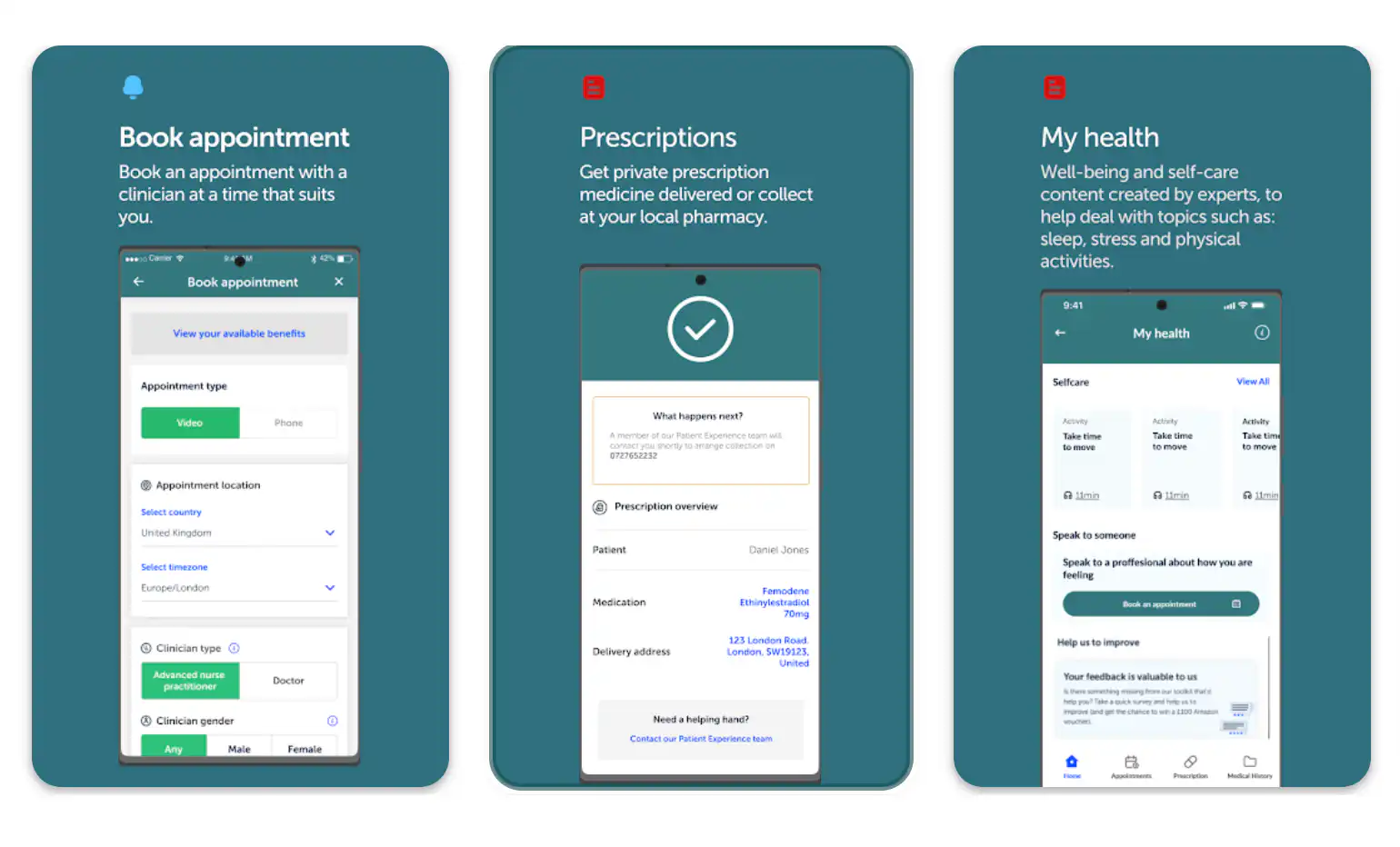
My HCA Virtual GP offers round-the-clock access to medical consultations, prescriptions, and referrals. It supports flexible appointment booking with UK-registered doctors, same-day medication delivery or pharmacy pick-up, and secure access to Electronic Health Records that can be updated and reused in future consultations.
Privacy requirements
They handle highly sensitive patient data and should strictly comply with healthcare privacy laws such as HIPAA.
10. Medication Adherence App
10. Medication Adherence App
Description
If you're a healthcare provider or caregiver, you understand the challenges patients face in adhering to their medication schedule. A medication adherence app can act as a digital assistant, reminding patients to take their medication on time and keep track of their regimen.
Benefits
They improve medication adherence, enhance treatment effectiveness, and improve patient health outcomes.
Features
Medication reminders, medication tracking, health logs, and progress reports are key features.
Example app
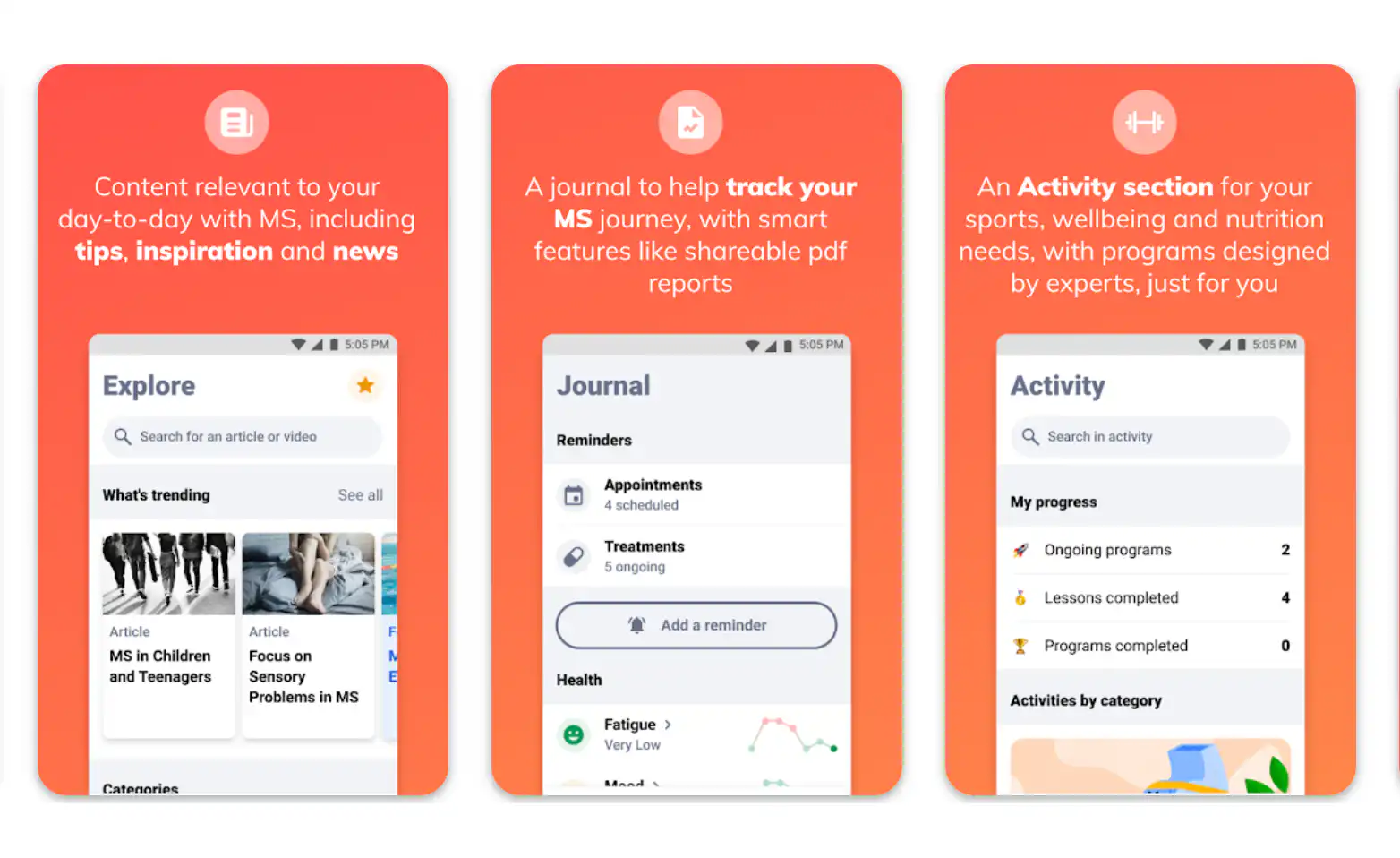
Multiple sclerosis is a neurodegenerative disease that affects nearly 100,000 people in France and requires regular multidisciplinary and personalized medical follow-up.
The pharmaceutical company Biogen developed the Cleo mobile application. Available free of charge in France, Germany, and the United States on Google Play and the App Store, Cleo offers features including real-time nurse chat, articles and videos, a symptom logbook, reminders for appointments and treatment, and exercise and wellbeing programs.
Privacy requirements
Given that they handle sensitive patient data, these apps should have robust privacy measures and be compliant with relevant healthcare regulations.
How to Choose the Right Pharmaceutical App for You
Choosing the right pharmaceutical app is not a decision to be taken lightly. The app's features should align with your specific needs, be it as a healthcare professional or a patient. While functionality is an important aspect, the privacy and security features of the app shouldn't be overlooked.
For pharma workflows that depend on structured intake, audits, or field reporting, Fliplet's Data Capture solution is a relevant starting point.
In the healthcare sector, patient privacy is of paramount importance. Therefore, the chosen app should be built with stringent data protection measures, secure encryption, and should be compliant with the necessary healthcare regulations.
Why build your own pharmaceutical app using Fliplet?
Customization is the key to standing out in a highly competitive pharmaceutical industry. Building your own pharmaceutical app offers the flexibility to tailor functionalities to your specific requirements. Fliplet enables you to do just that – design your own app that enhances productivity, streamlines internal processes, and elevates your market standing.
VI. Future Trends in Pharmaceutical Apps
In our recently released report, Lead Researcher Lisa Broom provides valuable insights on the healthcare organizations that are spearheading app solution innovations, the prevailing trends, and how your organization can leverage these advancements.
Within the report, you will discover
- Key trends derived from an exhaustive analysis of app solutions deployed by the global top 200 healthcare organizations in 2023.
- A thorough assessment of the most sought-after apps along with a deep dive into their unique features.
- A detailed examination of how these apps are driving value for both users and organizations.
- Motivating case studies from healthcare organizations that have effectively capitalized on app solutions.
- At Fliplet, our mission is to break barriers in app development through our no code/low code platform. We provide a comprehensive suite of solutions to aid healthcare organizations in the creation, development, and implementation of advanced apps.
This report is an essential read for healthcare industry professionals aspiring to stay at the forefront by understanding the trends and types of app solutions that the top 200 global healthcare organizations are introducing on app stores.
VII. Pharmaceutical Apps are the present and the future
The promise of pharmaceutical apps is vast and yet largely unexplored. These technological marvels are primed to transform numerous facets of the industry – invigorating sales outcomes, providing refreshed medical references, fostering engaging training programs, and facilitating real-time medication tracking. Yet, this digitization is more than just a necessity for maintaining a competitive edge. It's a catalyst for innovation and a beacon to lead transformative change within the pharmaceutical industry.
Moreover, the advent of artificial intelligence (AI) in app development opens up even more possibilities. The integration of AI can usher in unprecedented levels of customization, efficiency, and predictive capabilities. AI-based apps can deliver personalized healthcare experiences, tailoring services to individual patients based on their unique health data. They can also streamline administrative tasks through automation, freeing up valuable time for healthcare professionals. In addition, AI's predictive analytics can anticipate patient needs and potential health risks, thus improving preventive care and patient outcomes. Leveraging AI in pharmaceutical app development is not just about staying on top of technological trends – it's about harnessing the power of technology to reshape healthcare services and improve patient lives. By embracing AI and other technological advancements, the pharmaceutical industry can truly unlock the potential of its digital transformation.
To see how Apps are influenced by AI you can review our webinar
Build a Pharmacy App today using Fliplet
Are you ready to lead the digital revolution in the pharmaceutical industry? Start building your own pharmaceutical app with Fliplet today, and take a step towards a more efficient, productive, and innovative future. The opportunity awaits – seize it!

Lisa Broom is the Head of Marketing at Fliplet, where she helps enterprise teams turn complex workflows into secure, user-friendly digital experiences.

Ready to see Fliplet live?
Build the software you actually need.
Book a demo to walk through your workflow goals, governance requirements, integration needs, and rollout model.