Business applications keep essential work moving, from payroll and stock control to sales, customer support, and secure access. The right product should fit the task, connect with the systems you already use, and remain manageable after launch. A familiar name or long feature list does not guarantee that fit.
This guide groups 22 current products by the job they are designed to support. It is a shortlist, not a ranking. Use the comparison questions to decide which products deserve a closer look, then confirm current features, prices, regions, integrations, and contract terms with each provider.
Key takeaways
- Start with the job to be done, the people involved, the data, the integrations, and the team that will own the software.
- Buy a packaged product when it fits a standard need. Consider custom software when the requirement spans systems or depends on unusual roles and rules.
- Compare fit, data and access controls, implementation, support, full cost, and exit options before making a decision.
How were these business apps selected?
These products cover four common business needs: financial management, operational efficiency, customer engagement, and security. Each has a clear role and enough public information for buyers to understand what it is designed to do. This is a practical shortlist, not a ranking, so confirm current product details with the provider before making a decision.
What is a business application?
A business application is software used for company activities such as accounting, payroll, inventory, sales, customer support, time tracking, secure access, or file sharing. It may be a packaged product used largely as supplied or custom software built for a need that does not fit a standard tool.
In a legal or government context, “business application” can also mean a form used to register or license a company. This guide covers software.
What types of business applications are included?
- Financial management: accounting, payroll, invoicing, payables, and finance operations.
- Operational efficiency: inventory, point of sale, time tracking, and project visibility.
- Customer engagement: CRM, marketing, sales pipelines, and customer support.
- Security and controlled access: VPN, zero-trust access, encrypted collaboration, and encrypted storage.
Many teams use products from several categories. The important question is how data, identity, permissions, and ownership work across the set—not how many tools the company has bought.
How should you compare business apps?
Write down what the software needs to help people do before opening a vendor list. Name the users, records, approvals, integrations, exceptions, and owner. Then apply the same questions to each candidate:
- Does it support the main task without fragile workarounds?
- Can it connect to the systems of record and handle failed integrations?
- How are identity, roles, permissions, audit records, retention, and export handled?
- Which required capabilities are included in the plan and region you can buy?
- What setup, training, support, and ongoing administration will the team own?
- Can you pilot the highest-risk part before committing?
- What happens to the data and process if you later move away?
Financial management apps
Financial software supports accounting, payroll, invoicing, payables, expenses, and reporting. Shortlist by entity structure, jurisdiction, approval requirements, accounting integrations, and the people who will operate the system.
Financial software supports accounting, payroll, invoicing, payables, expenses, and reporting. Shortlist by entity structure, jurisdiction, approval requirements, accounting integrations, and the people who will operate the system.
Operational efficiency apps
Operational products coordinate stock, sales, time, and project activity. Test them with real locations, users, devices, integrations, and exceptions rather than a clean demo dataset.
Customer engagement apps
Customer engagement products manage contacts, sales activity, campaigns, service requests, and support knowledge. Start with the customer journey and decide which system owns each record before comparing automation features.
Security and controlled-access apps
These products address different security problems. A VPN, zero-trust access service, encrypted collaboration platform, and local encrypted vault are not interchangeable. Start with the threat, users, data, devices, and administrative model.
Analysis
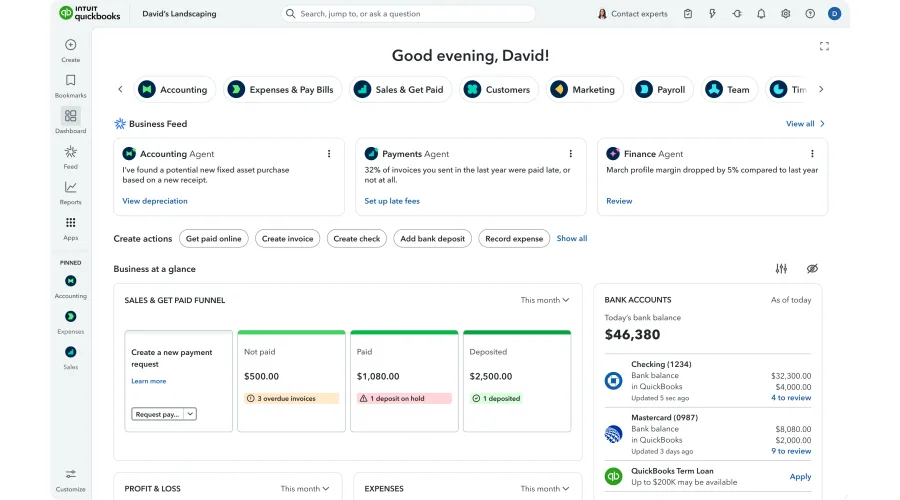
QuickBooks Online is a versatile accounting solution suitable for businesses of all sizes. Its feature-rich platform covers various aspects of financial management, including accounting, payroll, profit analysis, and inventory management. However, users should be prepared for a potential learning curve and consider their budget when opting for specific pricing tiers. With its mobile app, QuickBooks ensures accessibility and convenience for managing financial tasks on the go.
Features
Accounting: QuickBooks Online offers comprehensive accounting features, including financial data tracking, expense management, and financial report generation.
Payroll: Users can efficiently manage payroll processes, including calculating employee salaries, tax deductions, and generating paychecks.
Profit Analysis: The platform provides tools for analyzing business profits, expenses, and financial trends.
Inventory Management: QuickBooks allows users to track inventory levels, manage stock, and optimize supply chain processes.
Mobile App: QuickBooks offers a mobile app for on-the-go access, enabling users to create invoices, track mileage, and manage expenses from their mobile devices.
Pros
Versatile Accounting: QuickBooks caters to businesses of all sizes, making it suitable for sole proprietors, startups, and larger enterprises.
Integration: It integrates seamlessly with various other business apps and tools, streamlining operations.
Accessibility: Users can access their financial data and perform accounting tasks from anywhere, thanks to the mobile app.
Scalability: QuickBooks Online offers different pricing tiers, allowing businesses to choose the plan that matches their growth.
Resource Availability: As one of the leading accounting software, there are abundant resources, tutorials, and support options available for users.
Cons
Cost: While it offers scalable pricing, some users may find the cost relatively high, especially for advanced features.
Learning Curve: QuickBooks can be complex for users without prior accounting knowledge, requiring time to learn and navigate effectively.
Limited Automation: While it offers automation features, some users may require more advanced automation capabilities for specific tasks.
Analysis
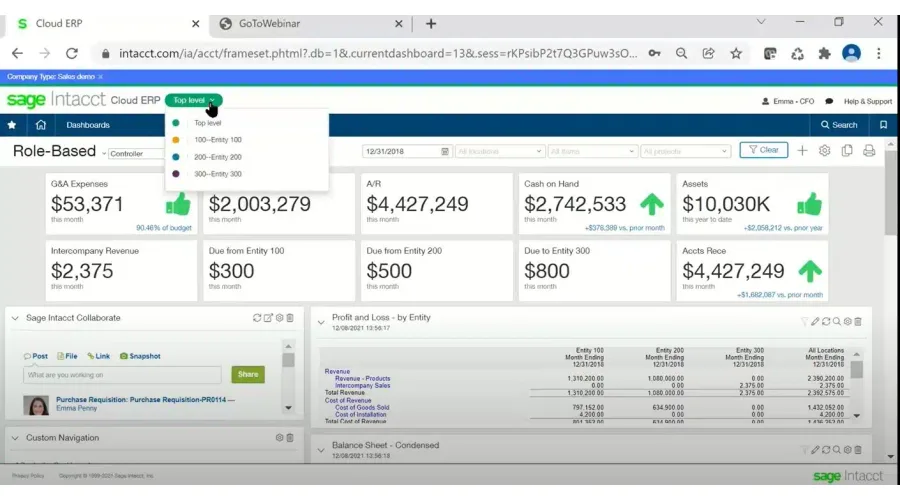
Sage Intacct is a popular choice among large businesses, offering a flexible and scalable financial platform with great accounting capabilities. While its user-friendly interface and customization options are notable strengths, users should be prepared for a potential learning curve and consider the need for advanced reporting and performance improvements.
Features
Accounts Payable: Users can efficiently manage their payables, handle invoices, and optimize cash flow.
Accounts Receivable: The platform offers tools for managing receivables, automating processes, and improving cash collection.
Cash Management: Sage Intacct assists in monitoring and managing cash flow, ensuring liquidity for business operations.
Order Management: Users can streamline order processing, tracking, and fulfillment through integrated order management features.
Built-in Dashboards: Sage Intacct includes built-in dashboards for real-time data visualization and insights.
Real-Time Reporting: The software offers real-time reporting capabilities, enabling users to make data-driven decisions.
Pros
User-Friendly: Sage Intacct boasts a user-friendly interface that simplifies navigation and accessibility.
Customizable: Users can tailor the software to their specific needs, adapting it to their unique business processes.
Data Reporting: The platform's robust reporting capabilities empower users to generate detailed financial reports.
Time-Saving: Sage Intacct's automation features help save time on various financial tasks.
User Interface: The intuitive user interface enhances the overall user experience.
Cons
- Learning Curve: Some users may experience a learning curve, especially when first adopting the platform.
Analysis
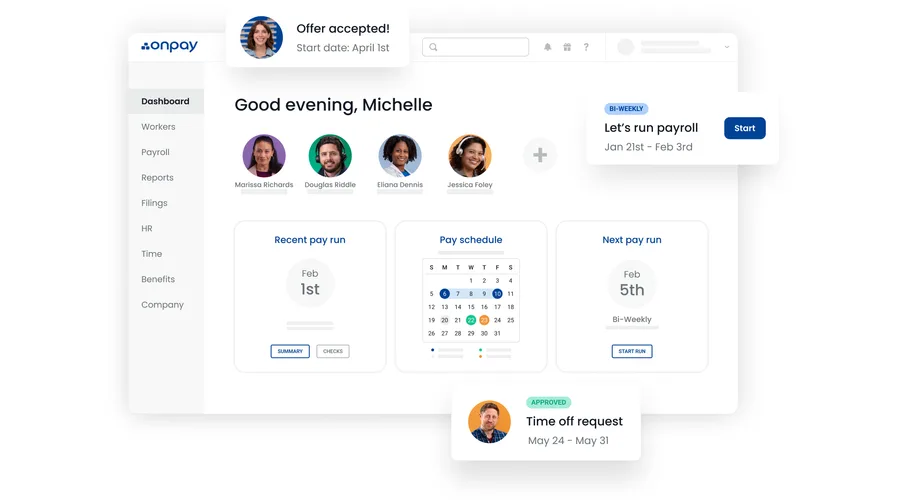
OnPay is a top choice for small businesses, offering features like unlimited monthly pay runs, automated tax payments, and integrations. While its streamlined payroll processes and mobile compatibility are notable advantages, users should be prepared for a potentially overwhelming interface and evaluate whether its integration options meet their specific business needs.
Features
Unlimited Monthly Pay Runs: OnPay offers the convenience of unlimited monthly pay runs, allowing businesses to process payroll as often as needed.
Automated Tax Payments and Filings: The platform automates tax payments and filings, reducing the burden of tax compliance.
Integrations: OnPay provides integrations with other business tools, facilitating a unified HR and payroll workflow.
Pros
Streamlined Payroll Processes: Key features such as unlimited monthly pay runs and automated tax payments streamline payroll operations, saving time and effort.
Mobile Compatibility: The platform offers a high degree of mobile compatibility, allowing users to access payroll functions anytime, anywhere.
Cons
- Overwhelming Interface: The comprehensive interface, while feature-rich, may be overwhelming for first-time users who are not familiar with the platform.
Analysis
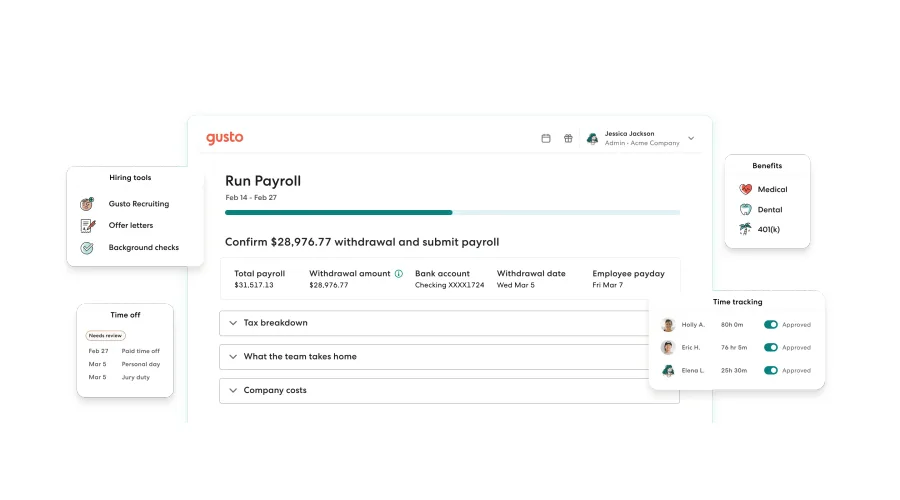
Gusto's all-in-one HR platform is designed to meet the needs of businesses of all sizes, including larger enterprises. With a comprehensive suite of features, Gusto simplifies various aspects of HR and payroll management.
Features
Full-Service Payroll: Gusto offers full-service payroll capabilities, ensuring accurate and compliant processing of payroll for large workforces.
Employee Benefits: The platform provides tools for managing employee benefits, streamlining the administration of healthcare plans, retirement savings, and more.
Time and Attendance: Gusto includes time and attendance tracking features to monitor employee hours and attendance efficiently.
Hiring and Onboarding: Businesses can leverage Gusto for hiring and onboarding processes, simplifying the recruitment and integration of new employees.
Talent Management: Gusto's talent management tools assist in managing employee data, performance, and development.
Insights and Reporting: The platform offers insights and reporting capabilities, allowing businesses to gain valuable HR and payroll insights.
Pros
Automated Payroll Tax Filings: Gusto automates the process of filing payroll taxes, reducing the administrative burden on large businesses.
Flexible Payroll Features: The platform supports unlimited payrolls, next-day direct deposit, and accommodates multiple states and pay schedules.
Financial Tools: Gusto Wallet integrates financial tools, enabling savings with each paycheck.
Paperless Paydays: Gusto provides a debit card option for employees, granting them direct access to their earnings on payday, eliminating the need for physical checks.
Self-Setup Made Easy: Gusto offers user-friendly self-setup options, simplifying the onboarding process.
Cons
Per-Person Pricing: Pricing can become costly at scale as it is based on a per-person model.
Limited Invoicing and Accounts Receivable Features: Gusto may lack comprehensive invoicing or accounts receivable features.
Upfront Manual Data Entry: Users might encounter some upfront manual data entry requirements.
Limited Syncing: Benefits and time-off data may not sync seamlessly throughout the platform.
No Automated Workflows: Gusto lacks automated workflow capabilities.
Limited Mobile App Functionality: Users may find the mobile app's functionality somewhat limited.
Analysis
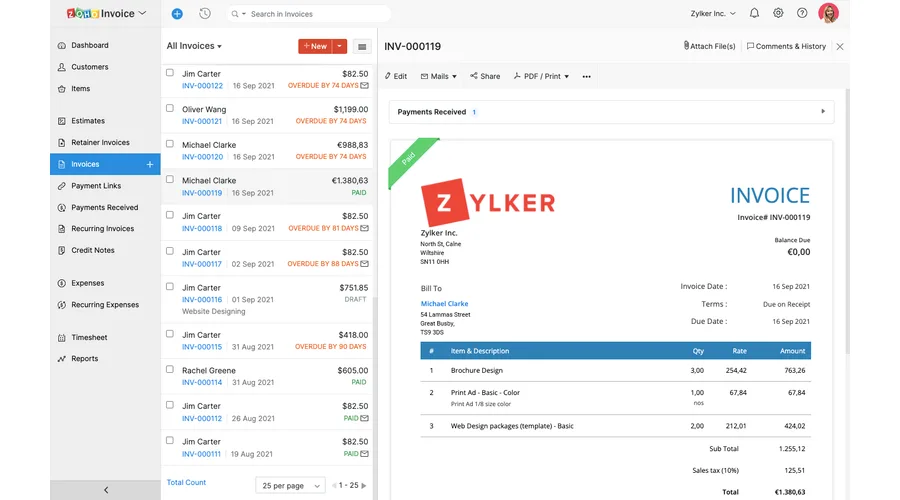
Zoho Invoice is a part of Zoho's comprehensive suite of business services, providing a range of tools for sales, marketing, finances, and more. As a stand-alone invoicing tool, Zoho Invoice caters to the needs of small business owners who seek streamlined and automated invoicing processes. Beyond invoicing, it offers automation features that enhance client relationship management.
Features
Customizable Invoicing: Zoho Invoice offers customizable invoicing and payment options, allowing businesses to tailor their invoices to specific needs..
Advanced Automation: The platform extends automation beyond invoicing by enabling users to create process scenarios that trigger email and in-app notifications, as well as field updates. Automation can also be applied to scenarios like purchase reductions or late fines.
Pros
Free to Use: Zoho Invoice is available for free, making it accessible to small businesses with budget constraints. The platform's revenue model is based on additional paid services.
Generous Invoice Limit: Users can generate up to 1,000 invoices annually for free, which should be more than sufficient for most small businesses.
Automation Benefits: Automation features help businesses streamline invoicing processes, reducing manual effort and enhancing efficiency.
Cons
- Additional Service Costs: While Zoho Invoice itself is free, users may incur costs for additional services provided by Zoho.
Analysis
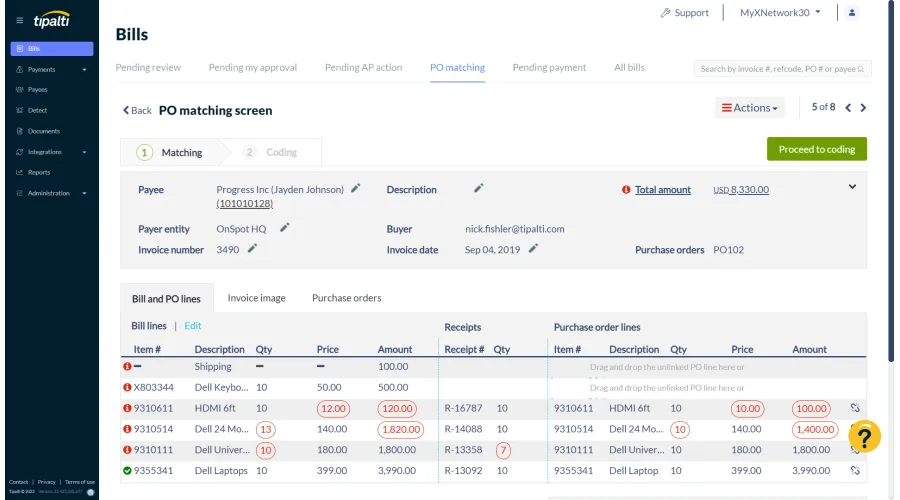
Tipalti offers a comprehensive finance automation solution designed to transform businesses by streamlining various financial processes. This integrated platform aims to simplify accounts payables, expedite global payouts, optimize procurement procedures, and enhance employee expense management.
Features
Comprehensive Finance Automation: Tipalti automates over 80% of manual finance operational processes, including procurement, supplier onboarding, invoice processing with PO matching, expense management, corporate card, tax compliance, global payments, supplier payment status communications, and payment reconciliation with your ERP system.
Tax Compliance: Tipalti collects and validates tax forms, calculates tax withholdings, and generates end-of-year tax prep reports, reducing tax risk for large businesses. It also supports international tax compliance in 50 countries.
Regulatory Compliance: Suppliers are proactively scanned against OFAC and international blacklists to prevent payouts to entities involved in illegal activities.
Financial Controls: The platform offers built-in audit logs, signatory rights management, role-based privileges, and robust workflow approvals, strengthening financial controls.
Global Payment Options: Tipalti provides a wide range of global payment methods and currency selections, improving payment accuracy and timeliness.
Pros
Scalability: Tipalti's scalability makes it suitable for large businesses with complex financial operations and high transaction volumes.
Efficient Automation: The platform's automation capabilities streamline financial processes, reducing manual workload and increasing efficiency.
Tax and Regulatory Compliance: Tipalti ensures compliance with tax and regulatory requirements, reducing the risk of legal issues.
Cons
- Approval Request Communication: There is no direct communication method to inform approvers when a request has been canceled.
Analysis
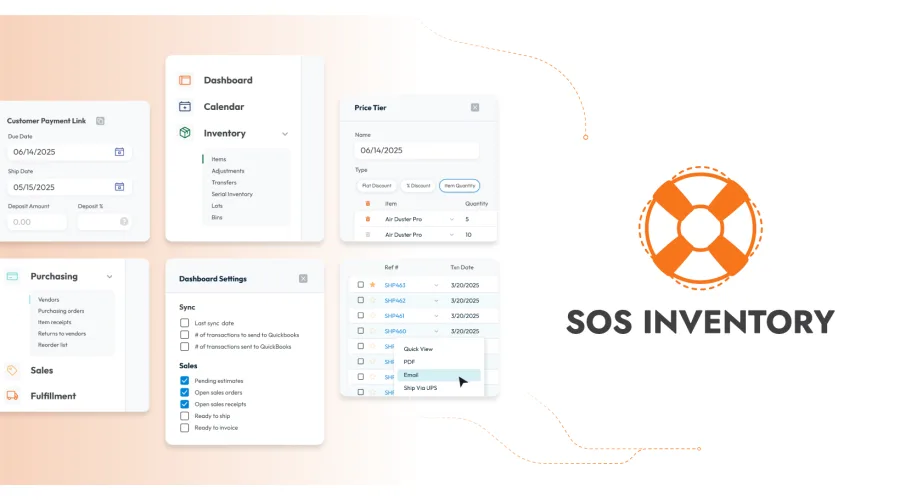
SOS Inventory streamlines inventory tracking, order management, and manufacturing processes for enhanced efficiency. This versatile app seamlessly integrates with QuickBooks and Shopify, offering compatibility across various devices, including desktops, tablets, and mobile devices. Its robust features empower businesses to manage inventory across multiple locations, track items based on various attributes such as serial numbers and cost history, and facilitate tasks like ticket creation and packing slip generation.
Features
Inventory Management: SOS Inventory simplifies inventory tracking, allowing small businesses to efficiently manage their stock levels.
Order Management: The app streamlines order processing, making it easier for businesses to handle customer orders.
Manufacturing Support: SOS Inventory includes features for manufacturing processes, helping businesses in production.
Integration: The app seamlessly integrates with QuickBooks and Shopify, enhancing accounting and e-commerce capabilities.
Multi-Location Management: Small businesses can manage inventory across multiple locations, improving stock control.
Item Tracking: SOS Inventory provides options for tracking items based on attributes such as serial numbers and cost history.
Ticket and Packing Slip Creation: Users can create tickets and packing slips, facilitating the order fulfillment process.I
Pros
Integration Benefits: Integration with QuickBooks and Shopify enhances accounting and e-commerce capabilities.
Multi-Location Management: Small businesses with multiple locations can efficiently manage inventory.
Mobile App Included: The mobile app is included for free with a software subscription, providing flexibility in inventory management.
Cons
- Glitches and Low Buffering: Users have reported occasional glitches and slow buffering, which can be frustrating when trying to manage inventory efficiently.
Analysis
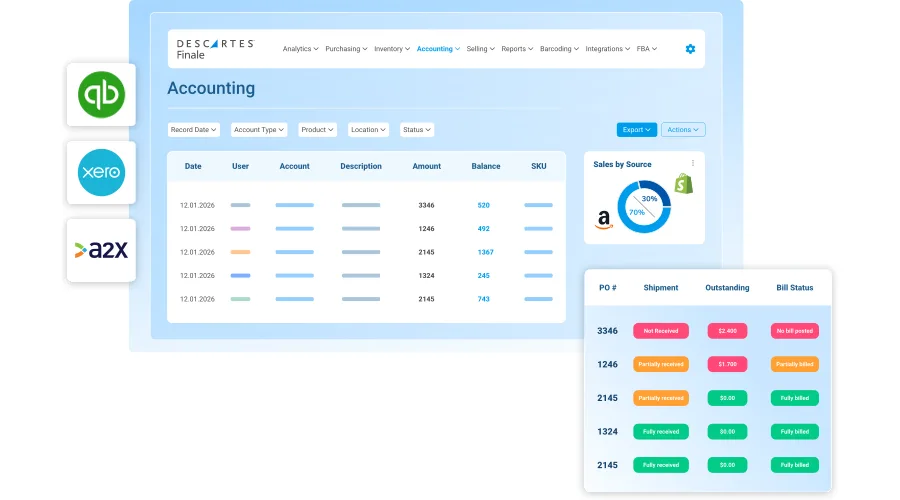
Finale Inventory caters to large multi-channel eCommerce retailers, manufacturers, and distributors with a comprehensive inventory management solution. This platform synchronizes inventory data across various sales channels to prevent overselling. Finale boasts over 40 integrations with shopping carts, marketplaces, QuickBooks Online, and shipping solutions for seamless operations.
Features
Custom reporting: Finale Inventory offers customizable reporting options, allowing businesses to generate reports tailored to their specific needs. This feature enables users to gain insights and analytics relevant to their inventory management, aiding in informed decision-making.
Stock auditing: The platform includes stock auditing capabilities, which are essential for maintaining accurate inventory records. Users can conduct audits to reconcile physical inventory with the system's records, ensuring data accuracy and reducing discrepancies.
Mobile barcode scanning: Finale Inventory supports mobile barcode scanning, enhancing the efficiency of inventory management tasks. Users can scan barcodes using mobile devices, streamlining processes such as stock checks, order fulfillment, and receiving.
Pros
User-friendly interface: Finale Inventory offers an intuitive and user-friendly interface, making it accessible for users with varying levels of technical expertise. This ease of use simplifies tasks like creating purchase orders and sales orders.
Efficient creation of purchase orders and sales orders: The platform facilitates the swift and straightforward creation of purchase orders and sales orders, enhancing the efficiency of procurement and order management processes.
Simplified addition of customers, suppliers, and new products: Finale Inventory simplifies the process of adding customers, suppliers, and new products to the system. This ease of use reduces data entry time and minimizes errors.
Highly flexible reporting module: The platform boasts a flexible reporting module, allowing users to customize reports to meet their specific requirements. This flexibility ensures that businesses can extract the insights and data they need for effective decision-making.
Cons
- Limited group security features: One drawback of Finale Inventory is the limited group security features. This may pose challenges for businesses with complex user access requirements, as the platform's security options may not provide sufficient control.
Analysis
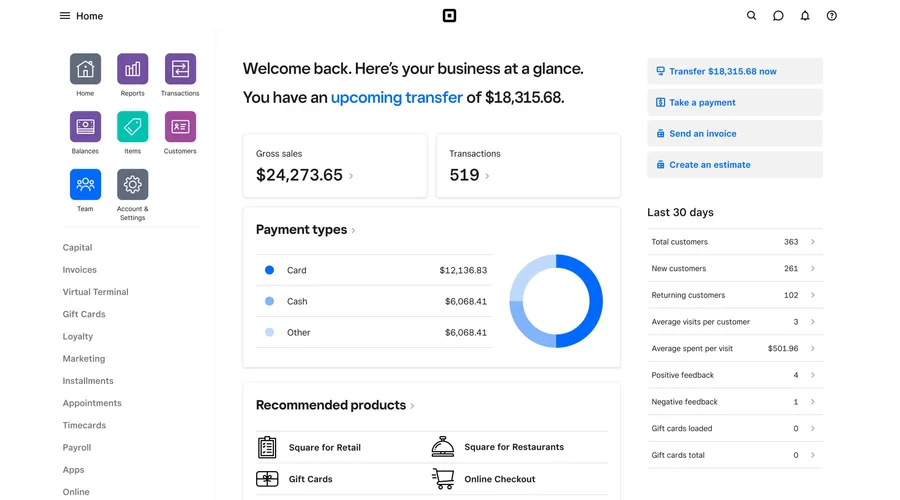
Square is a free point-of-sale app that enables you to sell anywhere and in any way your customers want to buy. You can also take contactless payments with your phone.
Features
API: Square offers an Application Programming Interface (API), allowing businesses to integrate Square's services with other software or systems. This feature enhances the versatility and functionality of the point of sale system.
Access Controls/Permissions: Square provides access controls and permissions settings within its point of sale app. This feature enables businesses to define user roles and restrict access to sensitive information, enhancing security and control.
Accounting Integration: Square offers integration with accounting software, streamlining financial management processes. This feature allows businesses to sync transaction data and sales information with their accounting tools for efficient bookkeeping.
Barcode/Ticket Scanning: Square supports barcode and ticket scanning, making it easier for businesses to manage inventory, track products, and process sales efficiently. This feature is valuable for businesses with a wide range of products.
Billing & Invoicing: Square offers billing and invoicing capabilities within its point of sale app. This feature enables businesses to create invoices, send them to customers, and track payment status, simplifying the invoicing process.
CRM: Customer Relationship Management (CRM) tools are integrated into Square. This feature allows businesses to manage customer information, track interactions, and build customer profiles, enhancing customer engagement and loyalty.
Pros
Intuitive and user-friendly: Square's app is known for its user-friendly interface. It's designed to be intuitive, allowing users to quickly learn and navigate the system, which can be especially beneficial for small business owners who may not have extensive technical expertise.
A wide variety of options: Square provides a wide array of options within its point of sale system. This versatility allows businesses to customize their payment solutions to align with their specific needs, from processing payments in-store to managing online sales.
Free features: Square offers several free features within its app, which can be advantageous for small businesses looking to minimize costs. These free features include basic transaction processing and inventory management tools.
Cons
Complicated pricing: One potential drawback of Square's system is its pricing structure, which some users may find complicated. Understanding the various fees and charges associated with Square's services may require careful consideration.
Necessary additional technology: Square's app may require additional hardware or technology, such as card readers and mobile devices, which could entail extra expenses for small businesses.
Integration challenges: Some users have reported challenges with integrating Square's app with other software or systems. This can be a limitation for businesses seeking seamless integration with their existing tools and platforms.
Analysis
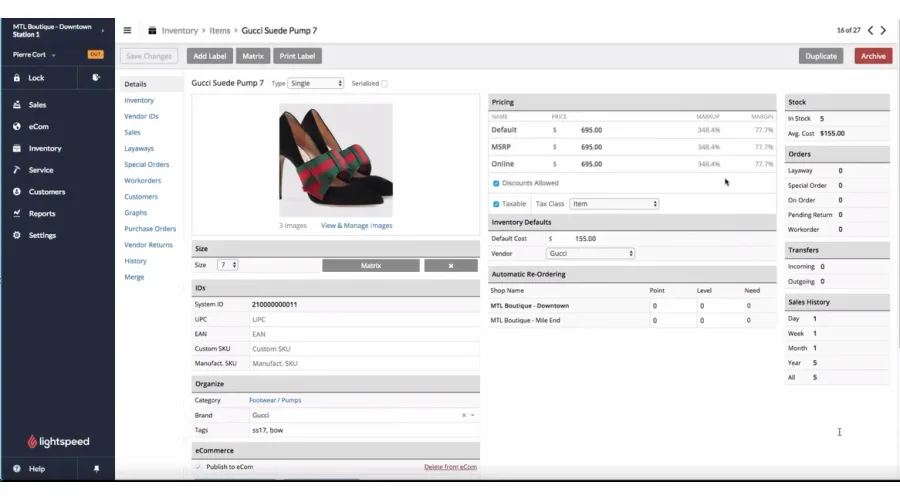
Lightspeed Retail is a versatile POS solution that offers extensive features and integration options, making it suitable for large businesses in various industries.
Features
Credit Card Payments: Lightspeed Retail supports credit card payments, allowing businesses to process transactions seamlessly and securely.
Barcode Scanning: The system includes barcode scanning capabilities, simplifying inventory management and product tracking.
Hardware Integration: Lightspeed Retail offers hardware integration options, making it compatible with a variety of POS hardware devices.
Price Adjustments: Businesses can perform price adjustments within the system, providing flexibility in managing pricing strategies.
Receipts: Lightspeed Retail generates receipts for transactions, ensuring customers receive proper documentation for their purchases.
Pros
Multi-Industry: Lightspeed Retail is designed to cater to a wide range of industries, including retail, restaurants, coffee shops, spas, salons, and more. Its adaptability makes it a versatile solution for various sectors.
Integration and Scalability: The system seamlessly integrates with various applications and services, such as inventory management systems and online ordering platforms. This flexibility allows businesses to customize and expand their POS system to meet their specific needs.
Customer Support: Lightspeed Retail is known for its exceptional customer support. The professional support team offers assistance through multiple channels, including phone, email, and online resources, ensuring users receive timely help.
Cons
- High Costs: Lightspeed Retail is associated with a higher price point compared to some other POS solutions in the market.
Analysis
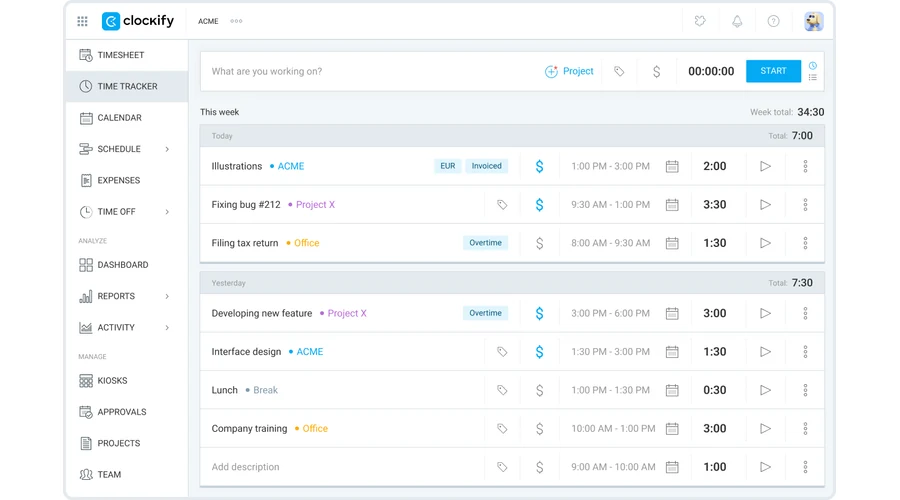
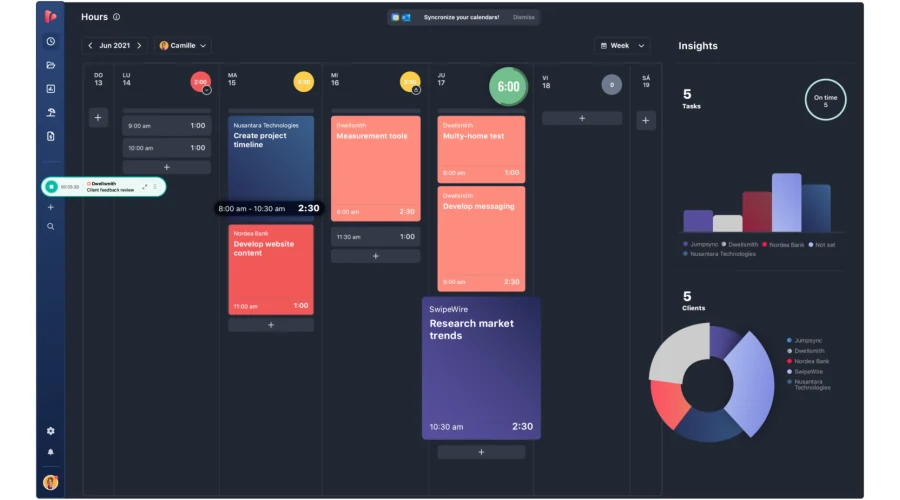
Clockify is a time tracking and timesheet tool that helps teams record billable hours, monitor project time, and understand where work is going. It is a practical option for small businesses that need simple time capture without a heavy implementation process.
Features
Simple time capture: Teams can track hours by project, client, task, or tag.
Timesheets and reports: Managers can review timesheets, utilization, and project-level time reports.
Budget visibility: Project tracking helps teams compare actual time against planned effort.
Accessible pricing: A free plan can work for smaller teams that need basic time tracking.
Pros
Easy to start: Clockify is straightforward for teams that need a quick way to record work hours.
Useful reporting: Project and client-level reporting helps leaders review workload and profitability.
Works across devices: Web, desktop, and mobile access support distributed teams.
Cons
Limited advanced workforce planning: Teams that need detailed scheduling or capacity planning may need additional tools.
Manual discipline required: Time tracking only works well when people keep entries current.
Reporting setup: Larger teams may need time to configure projects, permissions, and report views.
Analysis
TrackingTime combines time tracking, project organization, and productivity reporting. It is useful for larger teams that want structured timesheets, workload visibility, and reporting across projects and departments.
Features
Project time tracking: Teams can track hours against projects, clients, and tasks.
Online timesheets: Managers can review, approve, and export team timesheets.
Productivity reporting: Dashboards help teams understand workload, billable time, and project progress.
Team scheduling: Planning tools support recurring work, deadlines, and team availability.
Pros
Good team visibility: Managers can see how time is distributed across projects and people.
Helpful for billable work: Timesheets and reports support client billing and project reviews.
Project context: Time entries can sit alongside task and project information.
Cons
May be more structured than small teams need: Very small teams may prefer a lighter tool.
Setup effort: Accurate reports depend on well-organized projects, users, and permissions.
Change management: Teams that have not tracked time before may need clear policies to adopt it consistently.
Analysis
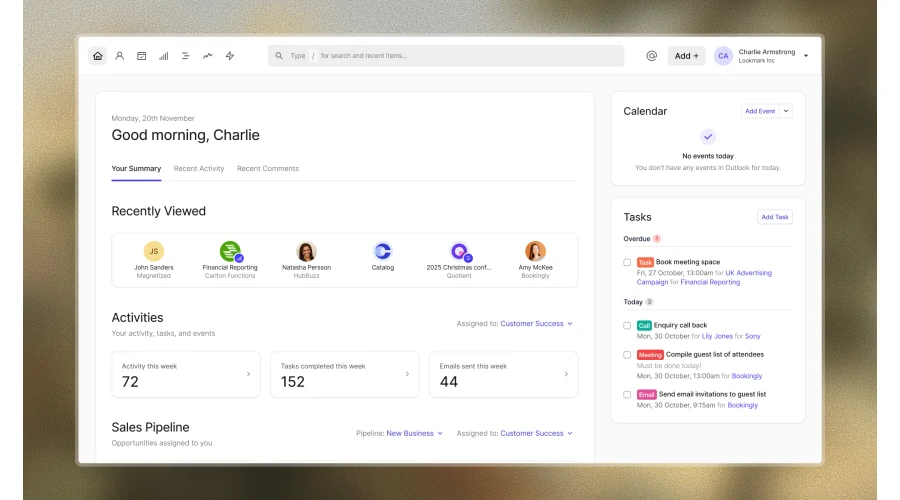
Capsule CRM is a customer relationship management tool for small businesses that need a clear way to manage contacts, opportunities, and follow-up. It keeps sales activity organized without forcing teams into a complex enterprise CRM setup.
Features
Contact management: Teams can store customer details, communication history, notes, and related tasks in one place.
Sales pipeline tracking: Pipeline views help users track opportunities from first contact through close.
Task management: Follow-up tasks and reminders help teams keep customer activity moving.
Reporting: Sales reports help teams review pipeline value, won opportunities, and forecast activity.
Pros
Simple interface: Capsule CRM is approachable for small teams that need structure without a long rollout.
Useful sales visibility: Pipeline tracking helps teams understand active opportunities and next steps.
Flexible organization: Tags, custom fields, and task lists support different customer workflows.
Cons
Limited enterprise depth: Larger organizations may need deeper automation, analytics, or governance.
Workflow setup required: Teams still need clear pipeline stages and data hygiene rules.
Integration dependency: Some workflows may require connecting Capsule CRM to other tools.
Analysis
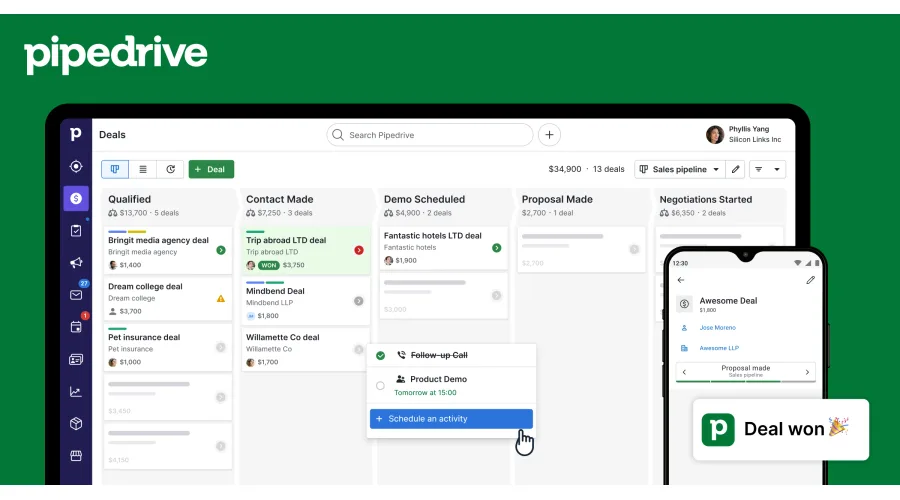
Pipedrive is a sales CRM built around pipeline management. It suits teams that want to track leads, automate sales activity, and give managers better visibility into deal progress.
Features
Visual pipeline management: Teams can move deals through customizable pipeline stages.
Lead management: Lead capture, activity tracking, and contact records help sales teams prioritize follow-up.
Workflow automation: Automations can reduce repetitive admin across sales tasks.
Reporting and forecasting: Dashboards help managers track sales activity, pipeline value, and performance.
Pros
Strong sales focus: Pipedrive is designed around deal progression and pipeline clarity.
Helpful automation: Sales teams can automate routine tasks and reminders.
Scalable reporting: Managers get useful visibility as the sales process grows.
Cons
Sales-led scope: Teams needing broad service, marketing, or support depth may need extra tools.
Configuration effort: Accurate forecasting depends on well-defined stages and clean data.
Cost at scale: Pricing can increase as teams add users and advanced features.
Analysis
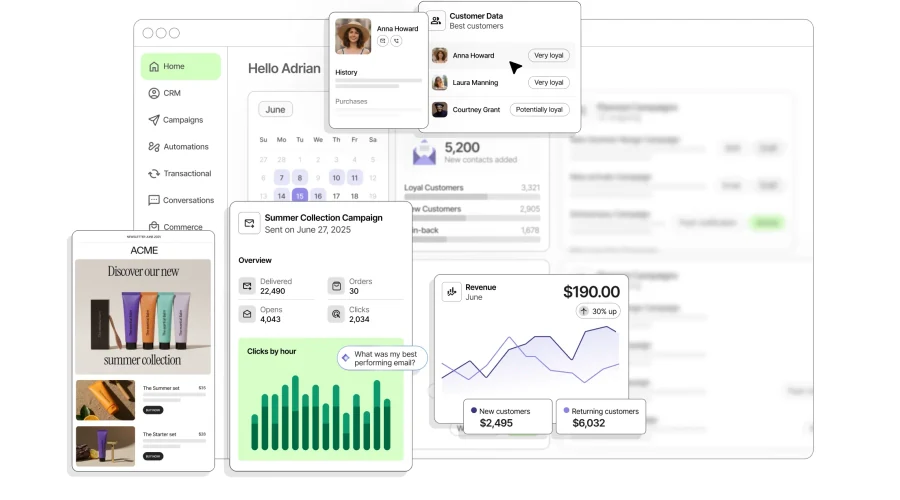
Brevo, formerly known as Sendinblue, is made to nurture long-term customer relationships and empower small businesses to thrive in a rapidly evolving digital landscape. Brevo provides businesses with a unified view of the customer journey through an intuitive and scalable platform that encompasses a wide array of marketing tools.
Features
User-Friendly: Brevo offers a simple interface suitable for users with different technical skills.
Effective Email Builder: It provides an excellent email builder and ample template customization options for tailored and visually appealing email campaigns.
Automation and Integrations: Brevo offers a robust set of automation tools and seamless integrations with various applications to enhance workflow efficiency.
Multi-Channel Campaigns: Brevo allows businesses to target contacts across different channels like email, WhatsApp, and SMS, maximizing sales and engagement.
Timely Automation: Brevo facilitates timely automation, including welcome series and abandoned cart emails, streamlining campaign management for efficient results.
Pros
Multi-Channel Marketing: Brevo allows businesses to target contacts across various channels, boosting sales and engagement.
Effortless Email Design: Brevo's user-friendly platform simplifies email creation, offering both template options and custom designs without design expertise.
Effective Automation: Brevo streamlines campaign automation, enhancing customer engagement through timely, automated messages.
Cons
Limited Landing Pages: Brevo's capabilities for creating landing pages are limited, potentially necessitating additional solutions.
Costly Features: Some features in Brevo may require additional costs or credits, affecting overall cost-effectiveness.
Occasional Load Delays: Users may experience intermittent performance issues, impacting workflow efficiency.
Data Import Challenges: Data importing processes in Brevo may require meticulous attention to detail for accurate and smooth transitions.
Analysis
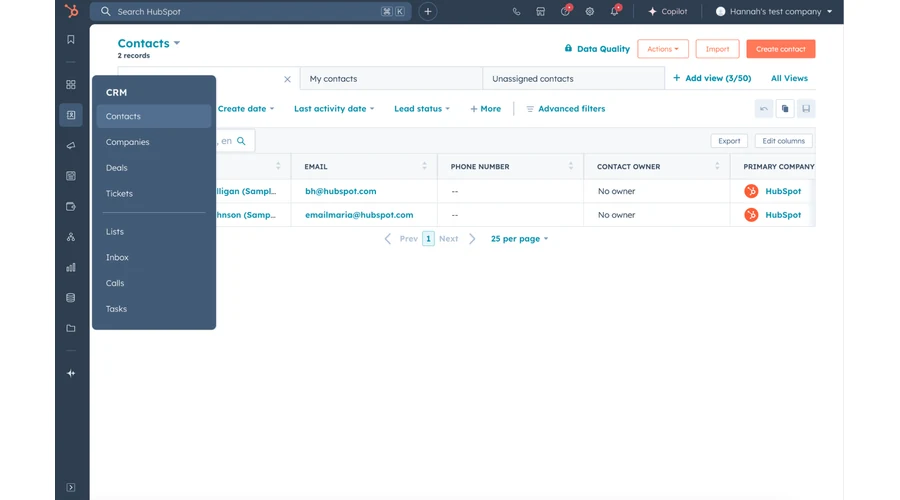
HubSpot's marketing automation software is a powerful tool that optimizes marketing activities, enhancing the quality and quantity of campaigns for large enterprises. With a rich array of features, HubSpot enables businesses to connect with their target audience through personalized messages, ultimately boosting marketing effectiveness.
Features
Lead Generation & Capture: HubSpot facilitates the generation and capture of leads through various channels, ensuring a constant influx of potential customers.
Lead Nurturing: It also provides tools for lead nurturing, guiding prospects through the buyer's journey with personalized content and communication.
Personalization: HubSpot empowers businesses to create personalized marketing campaigns tailored to individual preferences and behaviors.
Customer Segmentation: HubSpot offers robust segmentation capabilities, allowing you to categorize your audience based on various criteria for targeted campaigns.
Email Marketing Automation: HubSpot automates email marketing tasks, from sending out newsletters to triggered responses, ensuring efficient communication.
Social Media Management and Automation: HubSpot provides tools for managing and automating social media activities, maintaining an active online presence.
Pros
Integration: HubSpot integrates with a wide range of third-party tools and platforms, making it a versatile and adaptable solution for large enterprises with diverse tech stacks.
User-Friendly: Despite its extensive capabilities, HubSpot maintains a user-friendly interface that allows marketing teams to navigate and utilize its features without extensive training or technical expertise.
One Stop Shop: HubSpot serves as a comprehensive platform, offering a range of marketing automation tools in one place This consolidation simplifies workflows and reduces the need for multiple software subscriptions.
Landing Page Builder: The included landing page builder helps businesses to create visually appealing and effective landing pages without relying on external tools or designers.
Tracking: HubSpot provides robust tracking and analytics features, enabling large enterprises to gain valuable insights into campaign performance and audience behavior.
Cons
Expensive: While HubSpot offers a powerful suite of tools, its pricing can be prohibitive for smaller businesses and startups, making it a more suitable option for larger enterprises with significant marketing budgets.
Landing Page Issues: Despite its landing page builder, some users have reported limitations in terms of design flexibility and customization options, which may not fully meet the needs of certain campaigns.
Takes Time: Implementing and fully leveraging HubSpot's capabilities can take time and effort, especially for organizations new to marketing automation. This learning curve may affect the speed of realizing ROI.
Analysis
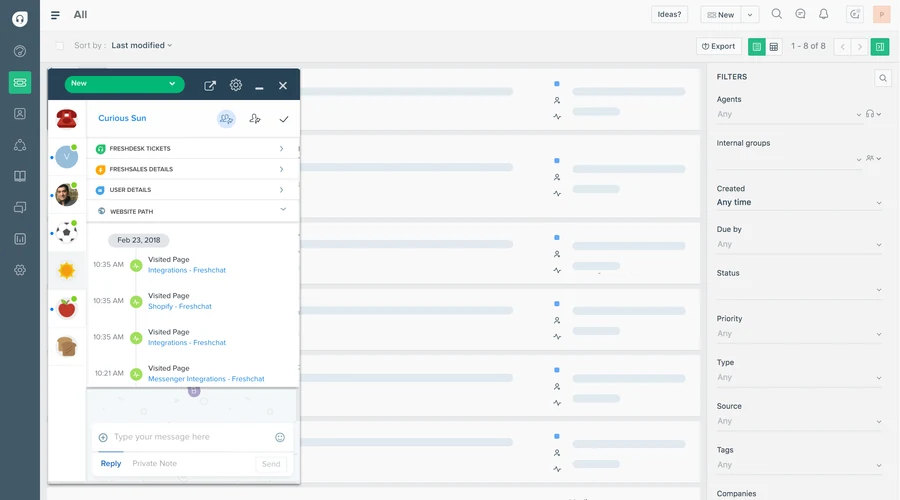
Freshdesk is an online cloud-based customer support software providing help desk support with all smart automations to get things done faster. It has remained a popular choice for businesses that want to increase customer engagement and manage customers as they scale. The product makes building your knowledge base and support ticket system from the ground up relatively easy.
Features
Parent-Child Ticketing: Freshdesk simplifies the resolution of complex customer issues by allowing you to split them into smaller, manageable tickets. This feature promotes efficient and organized problem-solving.
Intelligent Ticket Assignment: Assigning tickets to service agents becomes effortless with Freshdesk's intelligent ticket assignment feature. Agents can be allocated tickets based on their current workload or expertise, ensuring a balanced workload distribution.
Performance Reports: Freshdesk provides the ability to curate reports, enabling you to gain insights into agent performance and customer support efficiency. These reports can guide decision-making and optimization efforts.
Customization: Freshdesk offers extensive customization options for workflows, customer portals, agent roles, and more. Tailor the platform to align with your specific business needs and processes.
AI-Powered, Multilingual Chatbots: Freshdesk elevates customer support by offering AI-powered chatbots capable of interacting in multiple languages. These chatbots come with built-in flow builders, enabling automated and intelligent responses to customer inquiries. This feature enhances efficiency and ensures a seamless support experience for customers across linguistic diversity.
Pros
Frequent Updates: Freshdesk regularly releases enhancements and updates, ensuring that your customer support software remains up-to-date and aligned with evolving industry trends and needs.
Effective Helpdesk Management: Freshdesk simplifies helpdesk management, making it an excellent platform for small businesses. Its user-friendly interface is well-suited for managing support tasks efficiently.
Email and Support Issue Tracking: Freshdesk excels in tracking and organizing emails and support issues. Its clean and intuitive UI, along with automation tools, enhances support task management.
Customization and Integrations: The platform offers a range of applications and addons for customization. Additionally, its seamless integrations with other products expand its functionality and adaptability.
Cons
Contact Management and Search: Users have reported challenges with contact management and search functionality, making it difficult to avoid creating duplicate client profiles with slight variations.
Support and Contact System: Some users have expressed dissatisfaction with Freshdesk's support and contact system, highlighting room for improvement in this aspect.
Translation Accuracy: Occasionally, users have encountered erroneous or inaccurate translations, particularly in Spanish. Improving translation quality could enhance user experience.
Analysis
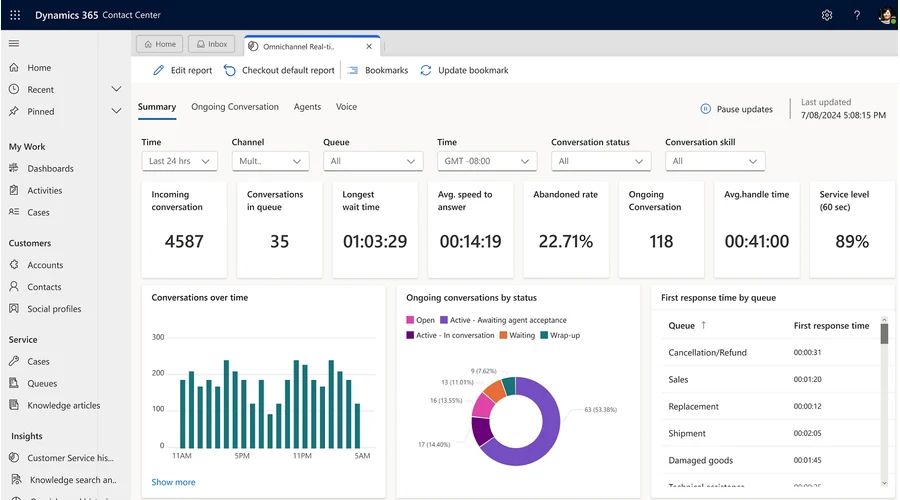
Dynamics 365, Microsoft's robust customer support software, is tailored for large enterprises dealing with intricate workflows and extensive collaboration across multiple teams. It serves as a legacy customer service solution, offering high-level customizations to meet the demands of complex business operations.
Features
Microsoft Teams Chat Integration: Dynamics 365 seamlessly incorporates Microsoft Teams chat within its interface, allowing users to link chats to Dynamics 365 records. This feature streamlines communication and information retrieval.
Custom Pages for Model-Driven Apps: Dynamics 365 offers custom pages, offering flexible app design without the need for costly development. Users can create personalized interfaces tailored to specific requirements.
Versium Predict Integration: Dynamics 365 integrates Versium Predict, a predictive analytics tool. This assists marketing and sales by identifying potential customers and boosting conversion rates through targeted lead lists generated from internal data and Versium Predict's LifeData warehouse.
Pros
Handling Complex Workflows: Dynamics 365 excels in managing intricate workflows, making it ideal for large teams and organizations. Its ability to handle complex processes facilitates collaboration across various teams within the organization.
Complete Customizability: Dynamics 365 offers extensive customization options, allowing large teams to tailor the platform to their unique requirements. This customization capability ensures the software aligns with large-scale operations.
Cons
Usability Challenges: Dynamics 365's user interface and overall user experience may not match the sophistication of modern customer service apps. Its interface can be clunky, leading to usability challenges and difficulties in the setup process.
Complexity: Dynamics 365, while powerful, can be overwhelming due to its complexity. Managing and configuring the software may require a steep learning curve, especially for users accustomed to more user-friendly and intuitive interfaces found in modern customer service apps.
Analysis
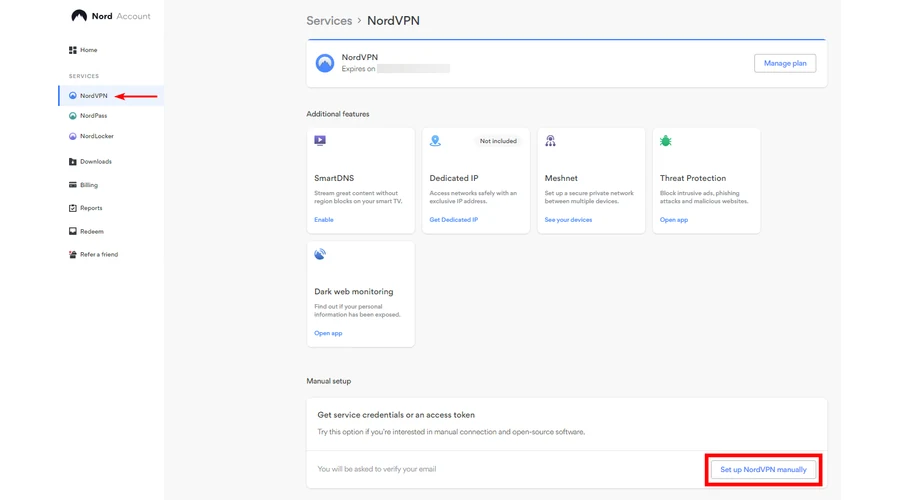
NordVPN offers a suite of security features that extend beyond typical VPN services. It helps businesses protect connections, manage secure access, and reduce exposure to online threats.
Features
Dedicated IP: NordVPN provides you with the option of a dedicated IP address. This feature is particularly useful for bypassing denylists and gaining access to IP-restricted networks. It ensures your small business can operate smoothly even when faced with IP-related restrictions.
Threat Protection: The digital world is fraught with threats, but NordVPN stands as a vigilant guard. It incorporates robust threat protection measures to shield your network from malicious entities. This added layer of security helps safeguard your sensitive business data.
Split Tunneling: Customization is at your fingertips with NordVPN's split tunneling feature. You have the power to choose which data traffic travels through the VPN and which can access the internet directly. This not only boosts your network's efficiency but also bolsters security.
Double VPN: For those who seek the utmost in privacy and security, NordVPN introduces double VPN encryption. Your data undergoes encryption through two servers, doubling the strength of your online defenses and enhancing your privacy.
Pros
Dedicated IP Option: NordVPN offers a dedicated IP feature, allowing you to bypass denylists and access IP-restricted networks with ease. This is especially beneficial for small businesses facing IP-related restrictions.
Robust Threat Protection: NordVPN incorporates powerful threat protection measures to safeguard your network from various online threats, enhancing the security of your sensitive business data.
Split Tunneling: Enjoy the flexibility of split tunneling, which allows you to customize your VPN experience. You can choose which data traffic goes through the VPN and which accesses the internet directly, boosting both efficiency and security.
Double VPN Encryption: For maximum privacy and security, NordVPN provides double VPN encryption. Your data passes through two servers, doubling the strength of your online defenses and enhancing your privacy.
Global Coverage: NordVPN offers extensive global coverage, ensuring that you can connect securely from various locations around the world.
Threat Protection and Dark Web Monitoring: NordVPN keeps a vigilant watch on potential threats and the dark web, offering additional layers of security to safeguard your business.
Cons
- Limited Server Options in Some Regions: While NordVPN provides global coverage, some regions may have limited server options. Users in these areas may have fewer server choices for their VPN connections.
Analysis
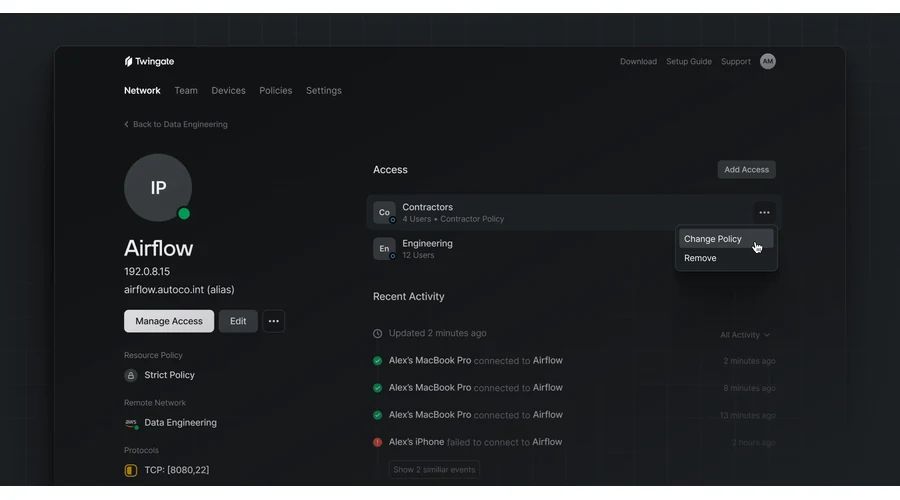
Twingate is an enterprise-grade VPN solution that prioritizes secure remote access for businesses through a zero-trust access control model. It is designed to seamlessly enable secure connections for employees, ensuring data confidentiality and accessibility without disruptions. Twingate caters to the needs of large enterprises, offering an intuitive platform that can handle extensive workloads while maintaining robust security.
Features
Management Console: Twingate provides a web-based admin console for effortless network management, allowing administrators to add or manage remote networks, deploy connectors, handle resources, organize groups, manage devices, and more.
Security: Employing IPSec tunnel mode with AES-256 encryption and symmetric keys, Twingate ensures end-to-end encryption to safeguard traffic between network points, preserving complete data confidentiality.
Flexible Connector Options: Users have the choice of utilizing Twingate-managed static IPs or company-specific IPs, offering flexibility to adapt to specific networking requirements.
Multi-Factor Authentication (MFA): Twingate supports multi-factor authentication, enhancing security by adding an additional layer of user verification.
Split Tunneling: Twingate's split tunneling feature optimizes device performance by routing IP-specific resource traffic over a connector, ensuring that employees can work efficiently without compromising on speed.
Compatibility: Twingate is compatible with a variety of devices, including Windows, Linux, and macOS for desktop usage, as well as iOS and Android for mobile access. It also integrates with mobile device management solutions.
Pros
Zero-Trust Access Control: Twingate adopts a zero-trust access control approach, bolstering security by eliminating trust assumptions, even for internal users within the network.
Enhanced Security Options: The service allows users to choose between static or company-specific IPs, employs multi-factor authentication, and operates with a zero-trust filter, collectively contributing to robust security measures.
Performance Optimization: Twingate's split tunneling feature ensures that employee device performance remains uncompromised, making work and team meetings hassle-free.
Trial Version: Twingate offers a free version that enables businesses to evaluate the service with up to 5 users and 1 admin, making it an accessible option for initial testing and exploration.
Cons
- Port-Level Access Control: Twingate currently lacks access control at the port level, which may be a consideration for businesses with specific port-level security requirements.
Analysis
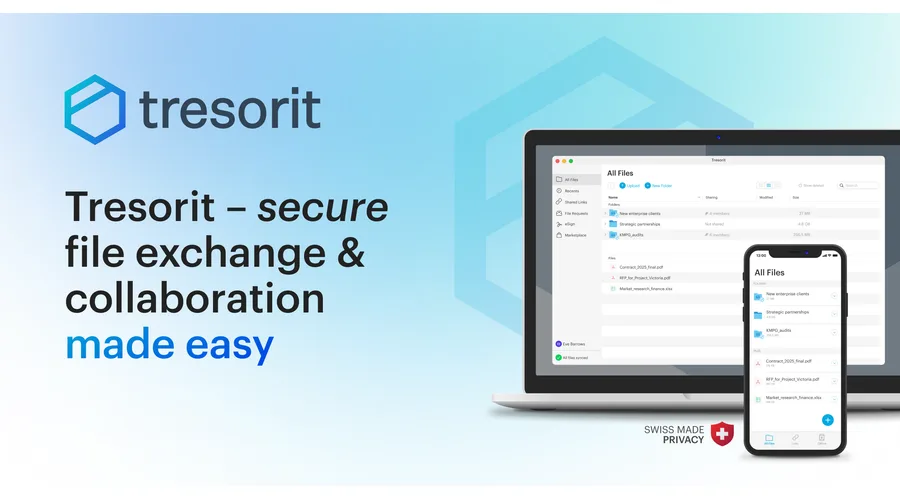
Tresorit stands as a good choice in the realm of data encryption apps for small businesses, offering an end-to-end encrypted, zero-knowledge content collaboration platform. This platform caters to security-conscious companies, empowering them to effectively manage, synchronize, digitally sign, and securely share files.
Features
Encrypted Storage: Tresorit provides encrypted storage that ensures the utmost security for your files, safeguarding them from unauthorized access or breaches throughout their lifecycle.
Data Loss Prevention: Employing advanced data loss prevention measures, Tresorit offers proactive safeguards to prevent accidental or malicious data loss, bolstering data integrity.
Policy Enforcement: Tresorit offers robust policy enforcement features, allowing businesses to define and enforce data access policies, ensuring that data is accessed and shared in accordance with company guidelines.
Device Syncing: The platform facilitates seamless device syncing, ensuring that data remains accessible and consistent across various devices while maintaining encryption.
User, Role, and Access Management: Tresorit provides comprehensive user, role, and access management tools, enabling businesses to efficiently oversee user activity, assign roles, and manage access permissions.
Pros
Secure Storage: Tresorit's encrypted storage guarantees the secure storage of files, ensuring that sensitive data remains protected from unauthorized access or breaches.
Safety and Security: Tresorit places a strong emphasis on safety and security, implementing end-to-end encryption and zero-knowledge principles to protect files from the moment of upload until they reach their intended recipients.
User-Friendly: Despite its robust security features, Tresorit maintains a user-friendly interface, making it accessible and convenient for businesses of all sizes.
Access Anywhere: Tresorit's design enables users to access their files securely from virtually anywhere, promoting flexibility and productivity.
Intuitive User Interface: Tresorit offers an intuitive and user-friendly interface, ensuring that users can easily navigate and utilize the platform's security features.
Cons
- Learning Curve: Some users may find that Tresorit has a learning curve, particularly when initially setting up and configuring the platform.
Analysis
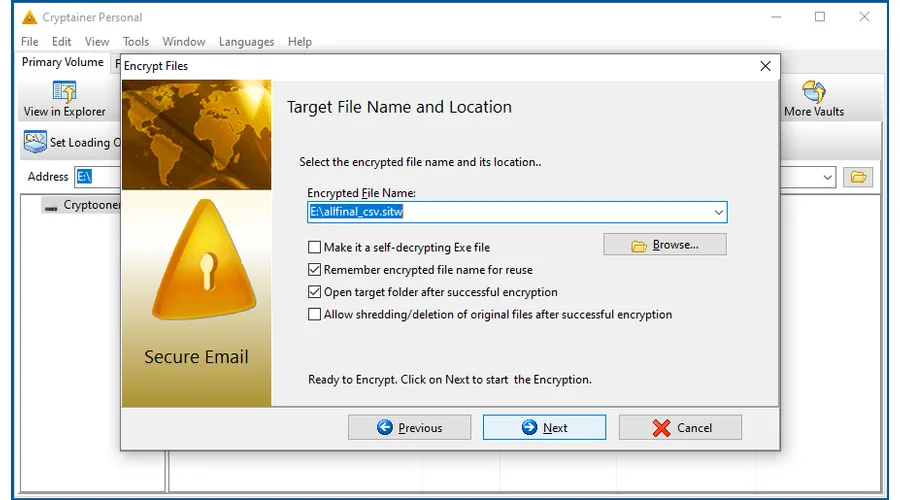
Cypherix Cryptainer Personal (PE) is a strong encryption solution for secure file storage and transmission. It offers both free and paid versions, making data protection accessible. The free version has limitations but provides cost-effective encrypted storage.
Features
Create Encrypted Storage: Cypherix Cryptainer PE enables users to create encrypted storage containers, safeguarding files and data from unauthorized access.
Encrypt Files/Folders: Users can encrypt individual files and folders, providing an added layer of security to their sensitive data.
Create Self-Decrypting EXE: The software offers the capability to create self-decrypting EXE files from encrypted data, facilitating secure sharing and access.
Secure Deletion of Originals: Cypherix Cryptainer PE includes a feature for secure deletion of original files, ensuring that sensitive data is irrecoverable.
Pros
Creates Secure Encrypted Vaults: The software excels at creating secure encrypted vaults, providing users with a reliable means of protecting their files.
Password Quality Meter: Cypherix Cryptainer PE offers a password quality meter, assisting users in creating strong and secure passwords for their encrypted data.
Free Edition Available: The availability of a free edition allows users to establish encrypted storage without incurring additional costs.
Cons
- Complicated: Some users may find the process of creating encrypted vaults to be complex and challenging, potentially requiring a learning curve.
How is AI changing business applications?
AI is now built into many accounting, CRM, support, analytics, and security products. It can summarize records, draft content, classify requests, flag unusual activity, or suggest a next action. Those capabilities are useful when they improve a defined task and operate within the organization's data and approval rules.
Do not evaluate AI from a polished output alone. Ask which data the feature uses, where it is processed, whether results can be reviewed, how permissions are enforced, what is logged, and who remains accountable for the decision or action.
Packaged software is often the simplest choice when the process is standard. When no standard product fits, Fliplet provides another route. Teams can describe the software they need in plain language, review and refine the first version, manage data and access, and publish to web or mobile. Business teams can shape the experience while IT keeps oversight of security, integrations, access, and release decisions. Compare the current capabilities on the features, security information, integrations, and pricing pages.
Should you buy a product or build custom business software?
Buy when a packaged product supports the process with acceptable configuration, integrations, controls, and ownership. Build or configure custom software when the need is genuinely different, spans several systems, or depends on roles and exceptions that standard products cannot represent cleanly.
Before building, check whether the problem can be solved by changing the process or configuring a product you already own. Before buying, test the most important task and calculate the complete cost of licences, implementation, migration, integrations, training, administration, support, and exit.
Business apps case studies
These vendor-published case studies document how organizations have used Fliplet and the outcomes they report. Use them as examples, then validate your own requirements and references.
Case study
Gowling WLG: Faster app prototyping and launches
Read case study
Case study
Gateley: Launching pages and apps in hours
Read case study
Case study
Ward and Smith: Replacing a self-built app with a simpler directory
Read case study
Case study
SMBP: Reducing admin overhead and improving student support
Read case study
Case study
Saul Ewing: Turning ideas into action across the firm
Read case study
AM Law 200 Firm
Read case study

Lisa Broom is the Head of Marketing at Fliplet, an AI-powered platform for web and mobile software.
Ready to see Fliplet live?
Build the software you actually need.
Book a demo to walk through your workflow goals, governance requirements, integration needs, and rollout model.