A mobile app development platform provides tools for designing, building, testing, and deploying software for iOS, Android, or both. Options range from coding frameworks and cross-platform SDKs to visual development environments for mixed technical teams.
This comparison covers the wider mobile development market and evaluates 10 platforms by development model, target users, cross-platform support, extensibility, and deployment fit. Enterprise buyers comparing governed vendors, security controls, integrations, and long-term ownership should use the dedicated mobile enterprise application platform comparison.
What is a mobile app development platform?
Mobile App Development Platforms (MADPs) are software tools, frameworks, or environments that streamline the process of creating, testing, and deploying mobile applications for various operating systems, such as iOS, Android, and Windows. These platforms enable developers to build applications more efficiently by providing a range of features, such as pre-built templates, drag-and-drop interfaces, and reusable code libraries.
MADPs can be broadly categorized into two types: no-code and low-code platforms. No-code platforms are designed for non-developers, allowing them to create mobile apps without writing any code, while low-code platforms require minimal coding and are ideal for developers who want to accelerate the development process.
These platforms often support cross-platform development, allowing developers to create apps that run on multiple operating systems with a single codebase. Using these platforms, businesses can save time and resources, streamline app development, and better engage with their target audience through high-quality mobile applications.
To find out more, here's an overview of Fliplet
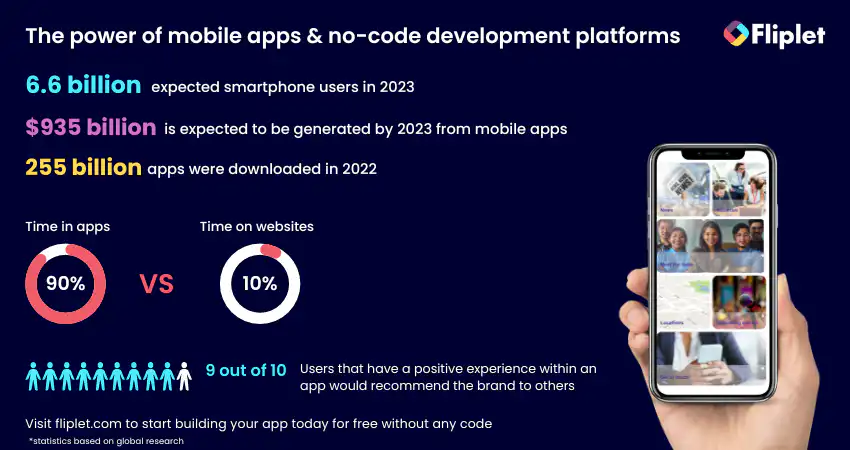
Benefits of using a mobile application development platform
Mobile application development platforms offer numerous benefits to IT professionals and organizations, helping them create and manage mobile apps efficiently and effectively. Here are some key advantages of using these platforms, particularly for IT teams.
Streamlined Development Process
Mobile application development platforms provide IT professionals with an integrated environment to develop, test, and deploy apps. This streamlines the entire development process, allowing IT teams to deliver high-quality applications faster.
Reduced Development Time and Costs
By offering reusable components, pre-built templates, and automated workflows, these platforms significantly cut down on development time and costs, enabling IT teams to allocate resources to other critical tasks.
Enhanced Collaboration and Communication
Mobile application development platforms promote collaboration and communication among IT teams, designers, and business analysts. This ensures a cohesive final product that meets the organization's objectives.
Simplified Maintenance and Updates
These platforms make it easier for IT teams to maintain and update applications, ensuring that the apps stay relevant, secure, and up-to-date. This not only improves user experience but also reduces the long-term maintenance burden on the IT department.
Scalability and Flexibility
Mobile application development platforms often come with built-in scalability features, allowing IT teams to quickly adapt and grow their applications in response to changing business needs. This flexibility ensures that the apps remain effective and efficient over time.
Better Integration with Existing Systems
Mobile development platforms can connect software with existing CRM, ERP, identity, and analytics systems. Buyers should compare connector coverage, API support, authentication, error handling, and data-governance controls.
Advanced Security Features
These platforms offer built-in security features, such as encryption, user authentication, and secure data storage. This helps IT teams ensure that the apps they develop are secure and compliant with industry standards and regulations.
Cross-platform Compatibility
Mobile application development platforms support cross-platform development, allowing IT teams to create apps that run smoothly on multiple operating systems and devices. This expands the reach of the app and ensures a consistent user experience across various platforms.
Access to Niche Tools and Technologies
Some platforms include services for machine learning, artificial intelligence, or specialized data processing. Evaluate these capabilities against a defined use case instead of treating technology access as a benefit by itself.
Continuous Learning and Skill Development
By using mobile application development platforms, IT professionals can continuously learn and hone their skills in app development, design, and management. This not only enhances their expertise but also adds value to the organization as a whole.
The main benefit is a more repeatable delivery process. The right platform can reduce duplicated setup work, improve collaboration, and give teams a consistent way to build, test, publish, and maintain mobile software.
Top Mobile App Development Platforms
This section compares 10 current mobile application development platforms and frameworks. For each option, consider the development model, supported targets, extension path, cost model, and technical ownership required after launch.
G2 ratings were checked against each product's matching G2 profile on 21 August 2026. Ratings can change as new reviews are published.
Analysis
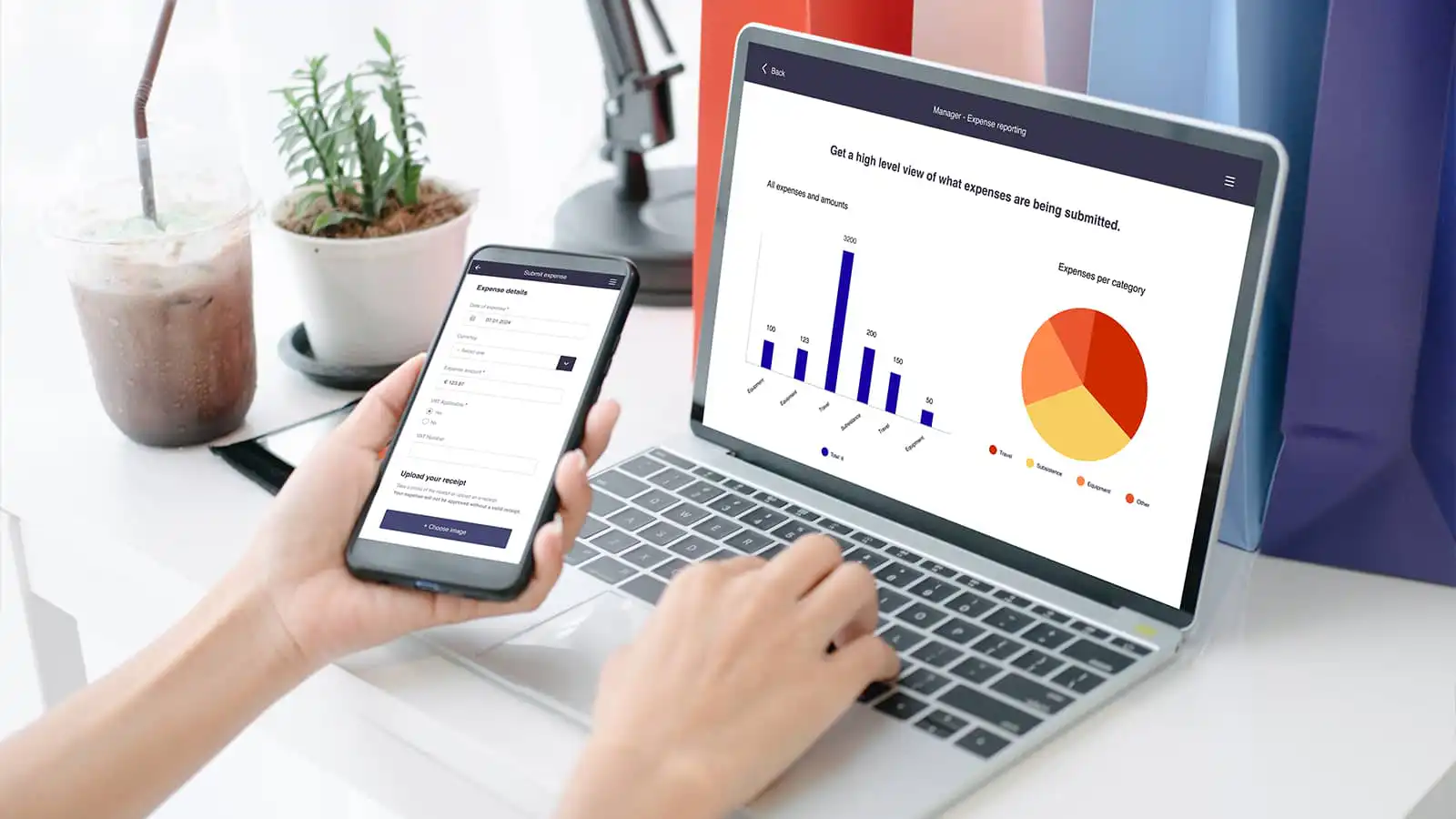
Fliplet supports configurable delivery of iOS, Android, and web software. It is designed for organizations that need business-team participation alongside enterprise governance, integrations, security controls, and managed publishing.
Key Features
Drag-and-drop interface
16 customizable templates
Offline capabilities
Integration
No-code and low-code – it's up to you!
Pros
Easy to use, no coding skills required
Scalable for enterprise applications
Robust security features
Price
Free plan – publish your own web app
Free: $0/month for building and prototyping
Plus: $25/month for publishing, custom domains, and native builds
Max: From $50/month; Enterprise pricing is custom. See Fliplet pricing.
Enterprise plan – have a demo with us
Reviews
- G2 – 4.6 / 5
Analysis
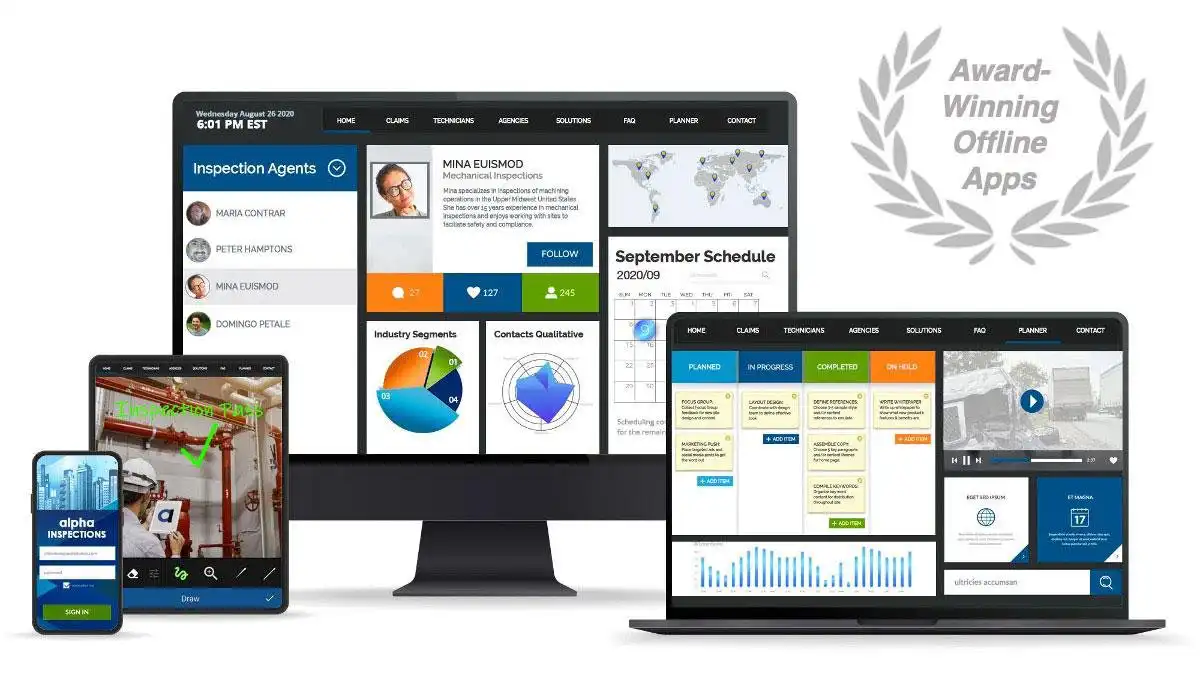
Alpha Anywhere is a low-code mobile and web application development platform that allows developers to build applications with powerful offline capabilities. It is suitable for businesses of all sizes and caters to a wide range of industries.
Key Features
Flexible low-code development
Built-in security features
Offline data access and synchronization
Integration with popular databases
Pros
Quick app development process
Robust offline capabilities
Extensive customization options
Cons
Steeper learning curve for non-developers
Limited pre-built templates
Price
30 day free trial
Community Edition is free; Alpha Cloud deployment starts at $99/month. See Alpha Anywhere's current offer.
Enterprise: Contact Alpha Software
Reviews
- G2 – 4.9 / 5
Analysis
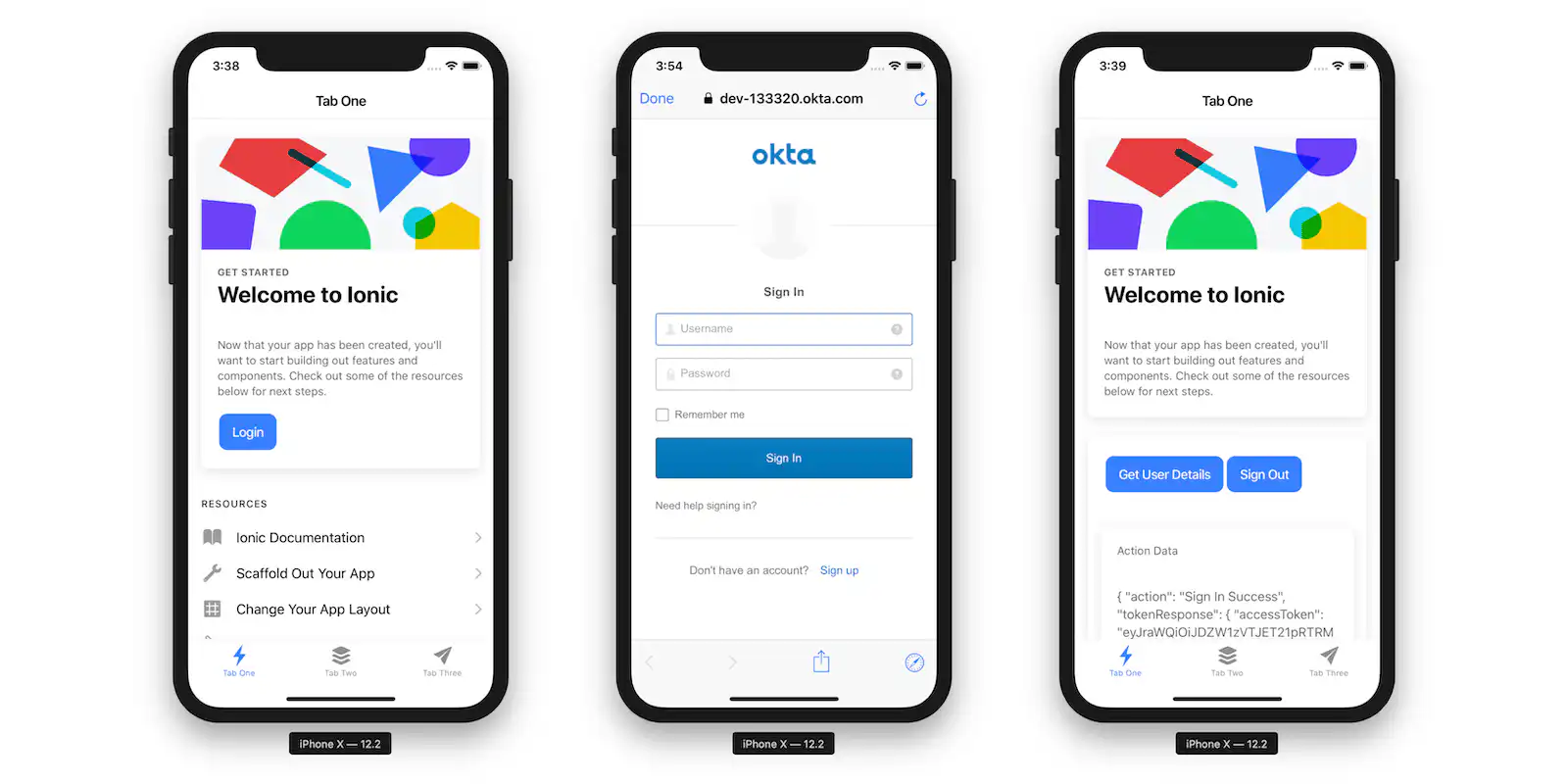
Ionic is an open-source, cross-platform mobile application development framework that uses web technologies such as HTML, CSS, and JavaScript. It is suitable for developers with web development experience who want to create native-like applications.
Key Features
Web-based development
Large community support
Reusable components
Cordova plugins for native device functionality
Pros
Cross-platform compatibility
Strong community and documentation
Cost-effective
Cons
Performance may be lower compared to native apps
Limited access to native APIs
Price
- Ionic Framework is free and open source. Ionic's commercial cloud, support, and enterprise products are priced separately; confirm the required services with Ionic.
Reviews
Analysis
React Native is a popular open-source framework for building mobile applications using React and JavaScript. Developed by Facebook, it enables developers to create native-like apps for iOS and Android while sharing a large portion of code between platforms.
Key Features
Cross-platform development
Large community support
Hot-reloading for faster development
Access to native device APIs
Pros
Reusable code across platforms
Strong performance in most scenarios
Extensive library ecosystem
Cons
Steeper learning curve for non-JavaScript developers
Limited support for advanced native features
Price
- Contact React Native
Reviews
Analysis
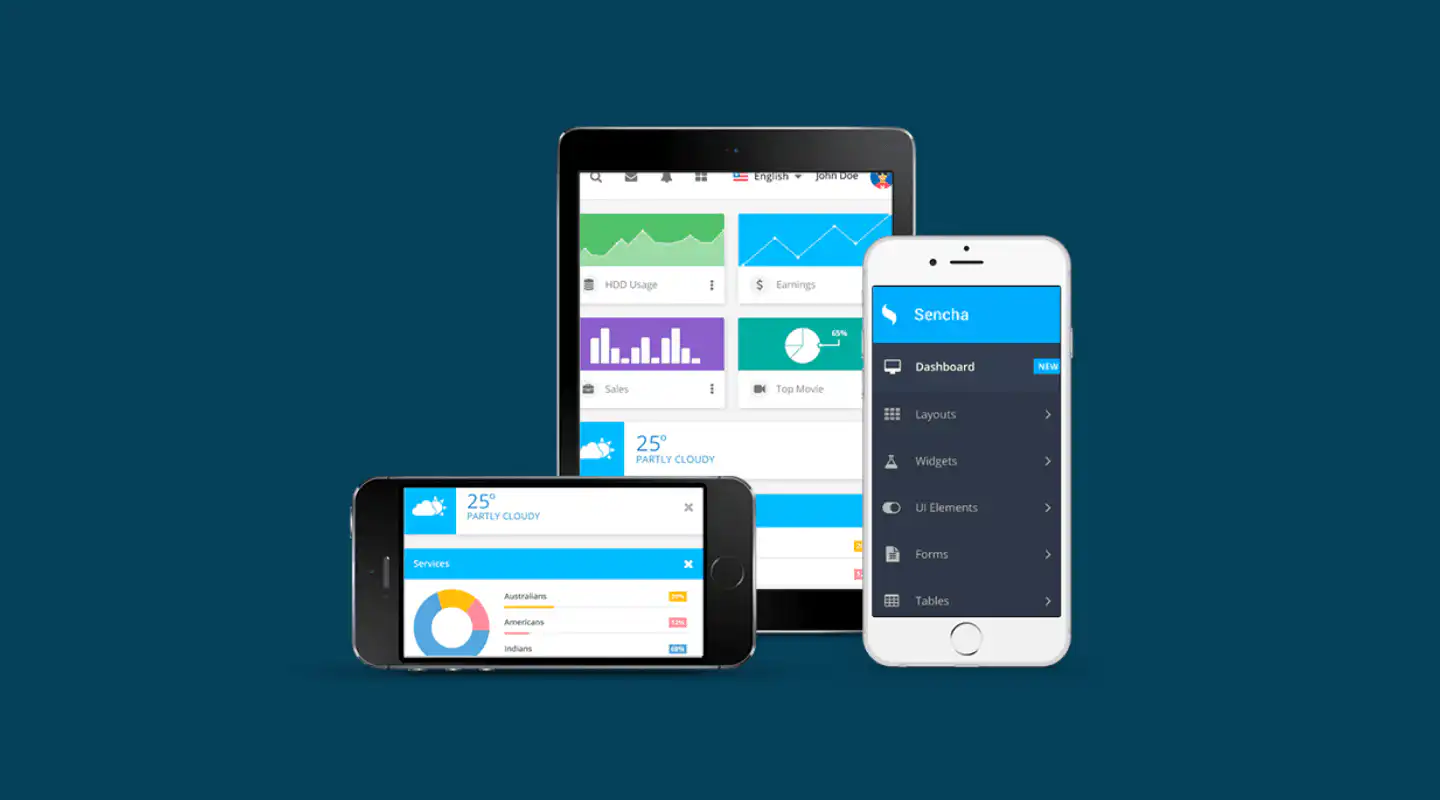
Sencha is a comprehensive JavaScript framework for building data-intensive, cross-platform web and mobile applications. It offers a wide range of pre-built UI components and integrations with popular backend services.
Key Features
Extensive UI component library
Integration with popular backend services
Visual app builder
Strong support for data-driven applications
Pros
Powerful toolset for building complex applications
Scalable for enterprise-level projects
Good performance for web-based apps
Cons
Requires in-depth knowledge of JavaScript
Pricing may be high for small businesses
Price
- Community Edition is free. Ext JS Pro is $1,499/year/developer and Enterprise is $1,899/year/developer. See the Sencha store.
Reviews
6. Capacitor
6. Capacitor
Analysis
Capacitor is an open-source, cross-platform native runtime for web applications. It lets teams use modern web tooling for iOS, Android, and progressive web apps while retaining access to native SDKs through plugins and platform-specific code.
Key Features
Supports iOS, Android, and progressive web apps
Works with existing modern JavaScript projects
Provides plugin APIs for native device functionality
Allows platform-specific Swift, Java, and JavaScript extensions
Pros
Reuses web skills and code across targets
Can be added to an existing web project
Provides direct access to native SDKs when required
Cons
Teams still need native build tooling and app-store release knowledge
Complex native behavior may require platform-specific development
Price
Capacitor is open source. Delivery costs depend on the team's development, build, testing, hosting, and support tooling.
Reviews
Review the official Capacitor documentation and release information when assessing compatibility.
Analysis
Flutter is Google's open-source framework for building mobile, web, and desktop software from a shared Dart codebase. It includes a widget system, rendering engine, debugging tools, and a large package ecosystem. Teams retain responsibility for architecture, testing, deployment, and ongoing maintenance.
Key Features
Rapid development
Visuals are engaging and appealing
Open and free mobile app development frameworks
Pros
Reusable code across platforms
Excellent performance compared to other cross-platform frameworks
Growing library ecosystem
Cons
Relatively new, may have fewer third-party libraries
Requires learning Dart, which is less common
Price
- Flutter is free and open source. Costs may apply for hosting, CI/CD, app-store accounts, support, and connected services.
Reviews
Analysis
Mendix is a low-code application development platform allowing developers and non-developers to quickly create and deploy web and mobile applications. It is suitable for businesses of all sizes and offers robust integration capabilities.
Key Features
Drag-and-drop interface
Visual modeling and development
Integration with popular services
Collaborative development environment
Pros
Rapid application development
Scalable for enterprise-level projects
Robust integration options
Cons
Limited customization for advanced users
Pricing may be on the higher side for small businesses
Price
Free trial
Free: $0/month for evaluation and small applications
Standard: From $1,090/month for one app; Premium is quote-based and compute may cost extra. See Mendix pricing.
Premium – contact Mendix
Reviews
- G2 – 4.4/5
Analysis
.NET Multi-platform App UI is Microsoft's open-source framework for building native mobile and desktop applications with C# and XAML. It is the supported evolution of Xamarin.Forms and targets Android, iOS, macOS, and Windows from a shared codebase.
Key Features
Shared C# and XAML project structure
Targets Android, iOS, macOS, and Windows
Access to platform-specific APIs when required
Integration with the wider .NET ecosystem
Pros
A current migration path for Xamarin projects
Shared UI, tests, and business logic across platforms
Microsoft documentation and Visual Studio tooling
Cons
Requires C# and .NET experience
Building for iOS and macOS still requires a Mac
Price
- .NET MAUI is open source. Teams should budget separately for development tooling, infrastructure, app-store accounts, and support.
Reviews
- Review Microsoft's .NET MAUI documentation and supported-platform guidance.

Analysis
Swiftic is a user-friendly, no-code mobile app development platform designed for small businesses and individuals who want to create feature-rich mobile apps for iOS and Android without any coding knowledge. It offers customizable templates and a wide range of functionality to help businesses enhance their online presence and engage customers.
Key Features
Drag-and-drop interface
Customizable templates
In-app purchasing and monetization options
Push notifications and in-app messaging
Pros
Easy to use, no coding skills required
Affordable pricing for small businesses
Wide range of features to engage customers
Integration with popular services
Cons
Limited flexibility for advanced developers
May not be suitable for large-scale or complex applications
Price
- Swiftic's public pricing and package availability can change by market. Confirm the current subscription and publishing terms directly with Swiftic before purchase.
Reviews
- G2 1.5/5 (based on 2 reviews)
Best mobile app development platforms comparison table
| Fliplet | 4.6 | Yes | From $25 p/m to publish |
| Alpha Anywhere | 4.9 | 30 day trial | Community free; cloud deployment from $99 p/m |
| Ionic | 4.4 | 14 day free trial | Framework free; commercial services separate |
| React Native | 4.5 | Yes | Free to use |
| Sencha | 4.1 | 1 year license | Free Community Edition; Pro $1,499 p/y/developer |
| Capacitor | N/A | Yes | Free and open source |
| Flutter | 4.6 | Yes | Free and open source |
| Mendix | 4.4 | Yes | Free; Standard from $1,090 p/m for one app |
| .NET MAUI | N/A | Yes | Free and open source |
| Swiftic | 1.5 (based on 2 reviews) | Free trial | Confirm current terms |
Choosing the best mobile app development platform for your business
Finding the perfect mobile application development platform for your business can be a challenging task, especially with the multitude of options available in the market. However, by analyzing your business requirements and taking several key factors into consideration, you can identify the ideal platform to power your mobile app development projects.
Analysing Your Business Requirements
Before diving into the world of mobile application development platforms, it's essential to assess your business needs and objectives. Define the primary purpose of your app, the target audience, and the required features. This analysis will serve as a foundation for determining which platform best aligns with your goals.
Assessing Platform Limitations
Each mobile application development platform has its own set of limitations and strengths. Some platforms may excel at creating visually stunning apps, while others might prioritize functionality and ease of use. Understanding these limitations is crucial to selecting a platform that suits your app requirements.
iOS App Development Platform
If your target audience primarily uses Apple devices, you may want to consider choosing a platform specifically designed for iOS app development. These platforms often provide a rich ecosystem of tools and resources tailored to create seamless and high-quality apps for Apple devices.
Android app development platform
Similarly, if your users are predominantly Android users, you'll want to focus on platforms optimized for Android app development. Android development platforms allow you to leverage the vast range of features and flexibility offered by the Android operating system.
Cross-Platform Apps
For businesses targeting users across both iOS and Android devices, it's crucial to select a mobile application development platform that supports cross-platform app development. Cross-platform development ensures a consistent user experience and helps reduce development time and costs by creating a single codebase for multiple platforms.
Comparing Pricing and Plans
Different mobile application development platforms offer various pricing plans and packages. Evaluate the costs associated with each platform and ensure that it fits within your budget. Keep in mind that some platforms offer free trials, allowing you to test their features before making a financial commitment.
Evaluating Community and Support Resources
A strong community and support system can make a significant difference when selecting a mobile application development platform. Look for platforms that offer comprehensive documentation, active forums, and responsive customer support to ensure a smooth development experience.
Considering Long-term Scalability
As your business grows, your app needs may evolve. It's crucial to choose a mobile application development platform that offers scalability and flexibility to adapt to your changing requirements. Consider platforms that provide regular updates, additional features, and the ability to handle increased user traffic.
Security
Security should be a top priority when selecting a mobile application development platform. Ensure that the platform you choose offers robust security features, such as data encryption, user authentication, and secure data storage, to protect your app and user data from potential threats.
In conclusion, choosing the right mobile application development platform for your business requires a thorough analysis of your business requirements, platform limitations, target audience, pricing, support resources, scalability, and security. By carefully considering these factors, you'll be well-equipped to select the ideal platform to bring your app vision to life.
Key Features of mobile app platforms that you need to look out for
What key features should you look for when choosing the ideal mobile application development platform for your projects? Let's examine what you'll need for your app development process.
Cross-platform development:
Any mobile application development platform should be able to support cross-platform development. At least, you should be able to run your apps on iOS, Android, and Windows.
Integration capabilities:
Your mobile application development platform should connect with relevant third-party services, APIs, and internal systems. Assess authentication, permissions, error handling, monitoring, and data-flow controls rather than connector count alone.
Security:
Look for a platform that offers built-in encryption, user authentication, and secure data storage. Ensuring that your app is secure not only protects sensitive user data but also helps maintain trust in your brand and product.
Easy to update:
Mobile application development is an ongoing process, and your app may require regular updates to fix bugs, add new features, or improve performance. An ideal mobile application development platform should enable you to easily update and manage your app without requiring significant rework.
Cost-effectiveness:
Advanced features often come with a hefty price tag. It's crucial to evaluate the platform's pricing structure and ensure it aligns with your budget and requirements. Make sure you aren't paying for options you aren't using.
By focusing on these key aspects, you can select the mobile application development platform that promises a successful, secure, and user-friendly product.
Low-code or no-code?
Low-code and no-code platforms have gained popularity in recent years due to their ability to streamline and simplify the app development process. When choosing between these two options, it's important to understand their benefits and differences to determine which one is the right fit for your project.
| Low-code | No-code |
|---|---|
| Accelerated Development: Low-code platforms speed up app development by minimizing the amount of code that needs to be written. | Accessible to Non-developers: No-code platforms enable individuals with little to no coding experience to create functional apps. |
| Flexibility: They offer more customization options compared to no-code platforms, allowing developers to write custom code when needed. | Rapid Development: No-code platforms allow for quick app development using drag-and-drop interfaces and pre-built components. |
| Better suited for Complex Applications: Low-code platforms can handle more complex projects that require advanced features or custom logic. | Cost-effective: They can significantly reduce the overall costs of app development due to their streamlined development process. |
| Enhanced Collaboration: Low-code platforms foster collaboration between developers, designers, and business analysts due to their user-friendly interfaces. | Simplified Collaboration: No-code platforms facilitate collaboration between team members of varying technical backgrounds. |
| Scalability: Low-code platforms often come with built-in scalability features, making it easier to grow and adapt your application as needed. | Ideal for Simple Projects: No-code platforms are well-suited for creating simple applications or proof-of-concept projects. |
This distinction is only one part of platform selection. Use the dedicated low-code versus no-code guide when choosing an approach, then return here to compare mobile development tools and frameworks.
How Organizations are using Mobile App Development Software & Platforms
Fliplet for governed mobile software delivery
Fliplet is designed for organizations that need to deliver governed web and mobile business software without giving up integration, security, and publishing controls. It is most relevant when business teams and IT need to collaborate on production software rather than maintain separate native codebases.
Cross-platform Development
Fliplet supports iOS, Android, and web delivery from a shared project. Teams can publish publicly or use controlled enterprise distribution, depending on the audience and security model.
Integration Capabilities
Fliplet can connect with third-party services, APIs, and internal systems, including Salesforce and Google Sheets. Confirm the authentication, permissions, data residency, monitoring, and support model required for each integration.
Fliplets Zapier integration is a great example of how mobile app platforms can provide extra benefits to enterprise organizations. Fliplets Zapier integration allows users to connect their apps to over 5,000 other applications such as Google Sheets, Microsoft Outlook and Google Calendar.
By taking advantage of this type of integration, businesses can streamline processes for improved efficiency and cost savings, as well as take advantage of increased data accuracy.
Security
Fliplet takes security seriously, offering enterprise-grade security features that safeguard your app and user data. With built-in encryption, user authentication, and secure data storage, you can confidently create and deploy your app knowing that Fliplet has your security needs covered.
Fliplet complies with industry standards such as ISO 27001. At Fliplet security is a priority, take a look at all Fliplets security features.
Easy to Update
Ongoing ownership matters as much as the initial build. Fliplet provides modular editing and managed update paths so authorized teams can maintain content and functionality after launch.
With Fliplet you can easily republish updated versions of your app via Fliplet Studio. Fliplet handles updates and maintenance for you so that you can focus on your app's content. Updates are sent over the air (OTA) and are automatically applied.
Cost-effectiveness
Fliplet offers an affordable pricing structure that caters to businesses of all sizes. You can even sign up for a free trial to test out the platform's features before committing to a subscription. With its cost-effective pricing and powerful features, Fliplet provides excellent value for money without compromising on quality.
Compared to other solutions you Fliplet is a cost effective choice without compromising key features and abilities.
No-code and Low-code Capabilities
Fliplet's unique blend of no-code and low-code options makes it suitable for users of all technical backgrounds. Non-developers can easily create functional apps using the drag-and-drop interface and pre-built components, while developers can take advantage of low-code capabilities to customize the app further and implement complex logic when needed.
Configurable workflow foundations
Fliplet has a large selection of prebuilt app solutions that you can fully customize to suit your needs, these include:
- Learning (Want to start building your learning app? Read this blog to see how you can build one on a budget)
- Directory (Check out 15 HR apps that will change the way you work)
- Marketing
- Innovation/idea management
- Approval workflow
- Portal app
- Sales Enablement
- Communications (Take a look at this blog where we compared the top 10 community apps to engage and monetize your community or you can check out the 15 best team communication apps of 2026)
- Data capture
- Emergency Management (Take a look at the 5 steps to take to prepare for a dawn raid)
- Events (To compare our Event solution to other solutions read the 25 best mobile event apps you need in 2026)
- Food ordering
- Multilingual
- Remote and office management
- Task management
- Reporting App
- Blank solution to build from scratch
Fliplet offers a huge range of features that helps you build your mobile application in hours, not weeks, some of these include:
- Notifications
- Reports and analytics
- Brand your app
- Customize with drag and drop
- Uploading your own content
- Use on any device: mobile, tablet, and desktop
- Enterprise Grade Security (ISO 27001)
- Ability to integrate with other systems
- Offline access
- Help and support
- Improves workplace efficiency
- Improves team collaboration
- No-code (but can be low-code if you want)
- Supports iOS and Android
Fliplet provides configurable foundations for common business workflows. Use the mobile software feature guide to define requirements before choosing components.
Fliplet's combination of cross-platform delivery, integrations, security controls, managed updates, and configurable development makes it one option for enterprise teams to evaluate against their requirements.
With Fliplet, you can create, deploy, and manage powerful applications that cater to your unique business needs and engage your audience like never before.
For more on the best app builders, read our blog.
AI in mobile software development
AI can assist with code generation, interface creation, testing, content, and workflow automation. Its value depends on the quality of the requirements, data, review process, and production controls around it.
It's already an integral part of modern app development, helping businesses create more sophisticated, intuitive, and user-friendly applications. Let's take a closer look at the role AI plays in low code app development and mobile app development.
AI-assisted creation and testing
AI-powered tools and technologies have made app development simpler and more accessible for teams with limited technical expertise. Low code app development platforms that use AI can automate tasks like code generation, UI/UX design, and testing. That means faster app development with fewer errors, freeing developers to focus on higher-level tasks and polishing the final product.
Personalization and recommendations
AI-driven personalization is a game-changer in mobile app development. Analyzing user data and behavior patterns lets AI tailor experiences to the user. That radically improves user engagement and satisfaction while boosting app adoption and retention. AI algorithms can offer personalized recommendations, content, and even adapt the app's interface to suit individual preferences.
Workflow automation
Mobile apps can use AI's capabilities in automating business processes to increase efficiency and productivity. For example, AI-powered chatbots can handle routine customer service inquiries. Similarly, AI-driven data analysis and predictive analytics can help businesses make data-driven decisions and optimize processes, ultimately driving growth and success.
Language, image, and prediction features
AI enables developers to integrate advanced features into their apps, such as natural language processing (NLP), image recognition, and machine learning. For instance, NLP can be used to create voice-controlled apps, while image recognition can facilitate augmented reality experiences.
AI-assisted security monitoring
AI plays a crucial role in enhancing app security. Machine learning algorithms can detect and prevent security threats in real time. By constantly analyzing user behavior and identifying anomalies, AI protects sensitive data and maintains app integrity.
AI is supercharging low code app development and mobile app development platforms. By leveraging the power of AI, businesses can create innovative, user-centric, and efficient apps that cater to the evolving demands of the digital age.
Webinar: Why AI is a game changer for your business and your apps
For more on AI in app development, read our blog.
Mobile software examples from organizations
Organizations use mobile development platforms for internal workflows, customer services, knowledge tools, reporting, directories, and incident response. The examples below show how different teams applied the technology to a specific operational need.
- Saul Ewing case study: An innovation challenge app that has collected innovative staff ideas, helped build a community, driven innovation and improved collaboration.
- Mills & Reeve case study: Read our case study on Mills & Reeve's award-winning "What the Tech?!" app, made to support technological discovery. Winner of KM Innovation award 2020, over 500 staff engaged with the app in the first 2 months and a positive increase in tech enquiries.
- Bird & Bird case study: Read our case study to find out how Bird & Bird created an app to help lawyers compare marketing laws across the globe in a time and cost efficient way.
- Scottish law firm case study: A quick and convenient way for clients to submit critical information when drafting their Will
Conclusion: Selecting a suitable mobile app platform
The mobile development market spans visual platforms, low-code environments, open-source frameworks, and native runtimes. The 10 options reviewed here—Fliplet, Alpha Anywhere, Ionic, React Native, Sencha, Capacitor, Flutter, Mendix, .NET MAUI, and Swiftic—serve different audiences and delivery models.
Choose the option that best matches your target platforms, internal skills, architecture, governance requirements, budget, and ownership model. Run a representative pilot before making a wider commitment.
For more on custom application development, read our blog.

Lisa Broom is the Head of Marketing at Fliplet, where she helps enterprise teams turn complex workflows into secure, user-friendly digital experiences.

Ready to see Fliplet live?
Build the software you actually need.
Book a demo to walk through your workflow goals, governance requirements, integration needs, and rollout model.